
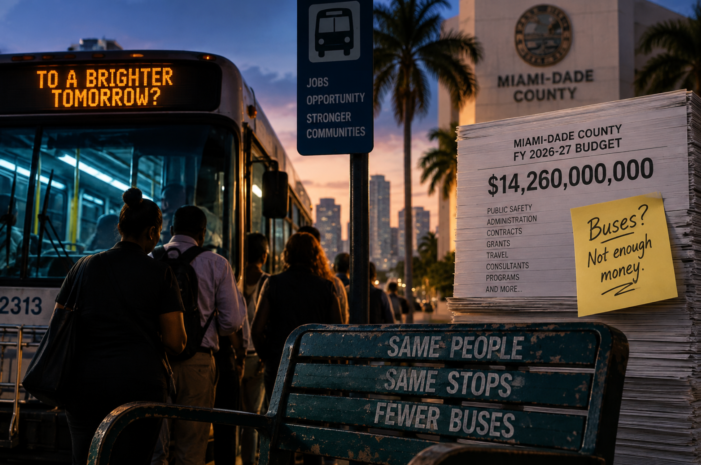
First county budget hearing focused on transit cuts
They found millions for arts and culture and kids’ and seniors’ programs. But apparently finding a bus before sunrise is harder.
Miami-Dade commissioners dragged themselves — and everyone else — past 2 a.m. Friday morning during the first public hearing on Mayor Daniella Levine Cava’s proposed $14.26 billion budget for the coming fiscal year.
And while there are thousands upon thousands of pages of numbers, salaries, grants, contracts, pet projects and government gobbledygook in that spending plan, much of the debate Thursday night boiled down to a fairly simple question: If Miami-Dade has a $14.3 billion budget, why are we cutting buses that working people depend on to get to their jobs?
Because that’s what the proposed budget does.
Levine Cava’s spending plan eliminates 12 Metrobus routes altogether and reduces early-morning and late-night service on dozens of others.  Transit Alliance Miami estimates the cuts amount to about $31.5 million in reduced service. Forty-seven routes would lose service before 5:59 a.m. and 41 would lose service after 10:01 p.m.
You know who rides the bus before 6 a.m.? Not lobbyists. Not developers. Not the people who contribute $1,000 checks at campaign fundraisers.
It’s the woman opening the cafeteria. The guy starting the construction shift. The hotel housekeeper. The airport worker. The nurse’s aide. The people who don’t have the luxury of telling their boss that the county balanced its budget and their bus doesn’t come anymore.
Restoring just that early-morning service would cost an estimated $12.4 million. Out of $14.26 billion. That’s less than 1%.
Read related: Miami-Dade mayor unveils painful budget season 2, transportation cuts
Transit workers and advocates packed the hearing to make exactly that point. Transport Workers Union representative Joseph D’Elia told 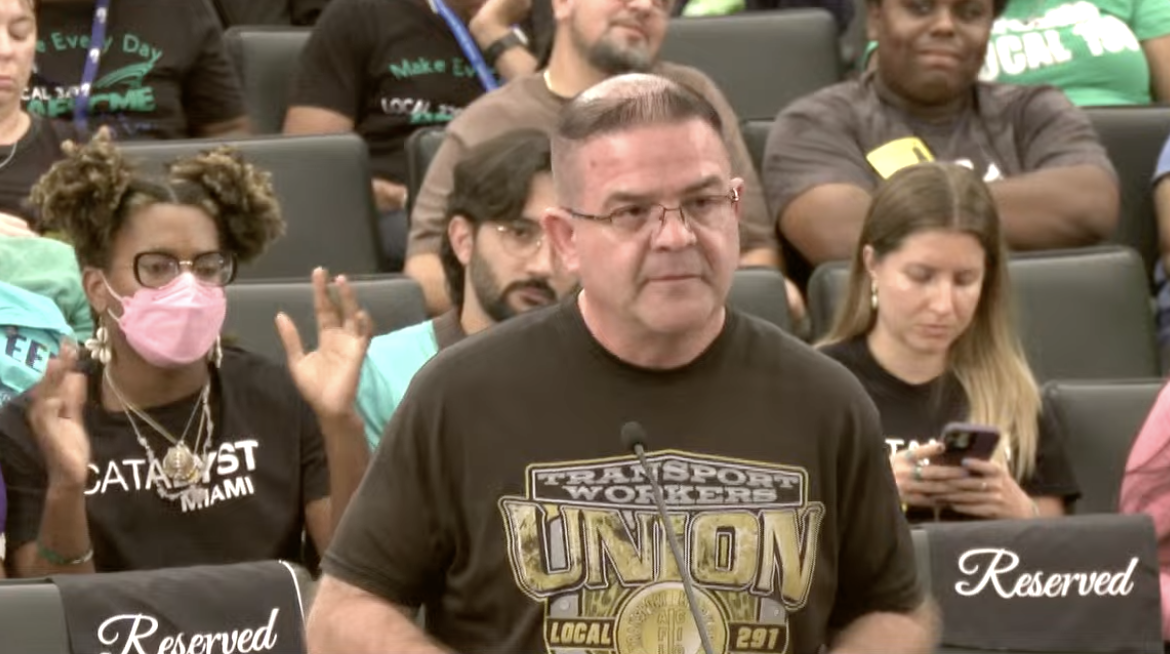 commissioners the cuts do more than eliminate routes.
“This budget does more than cut bus routes,” he said. “It cuts the length between workers and their paychecks.”
And it gets better.
The county is already planning to raid about $89 million from reserves that had been intended for future transit and rail improvements just to help keep the existing transit system operating.
So Miami-Dade is borrowing from tomorrow’s transportation improvements while simultaneously reducing today’s transportation service.
Only in Miami.
But there was another interesting group at Thursday’s marathon meeting: residents who apparently took county officials at their word when they said there was nowhere else to cut — and went looking themselves.
Some speakers told commissioners they had combed through hundreds of pages of county expenditures and identified millions of dollars they believed deserved another look before Miami-Dade started taking buses away from people. Among the expenditures questioned publicly were millions involving performers and entertainment, large travel and convention expenses and even hundreds of thousands of dollars associated with golf equipment.
Ladra is going to want receipts on every one of those numbers before declaring them waste. But the larger point is impossible to ignore: People are looking a lot closer at the line items.
And that might be particularly inconvenient because Levine Cava has made a pretty definitive declaration about the county budget: “There’s no 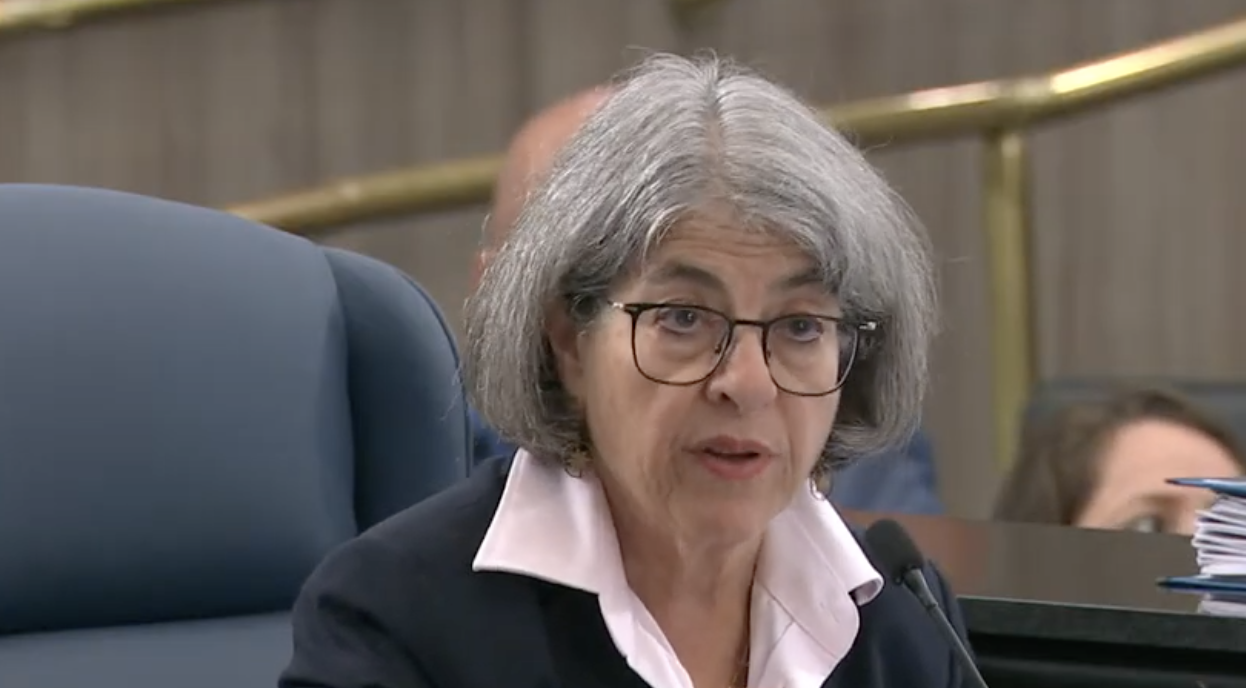 more fat to squeeze.”
Really? None? In a $14.26 billion government? Not one ounce?
The mayor says departments supported by the general fund have already been asked to absorb roughly 3% reductions and that the squeeze effectively approaches 6% in some areas. Public safety has largely been protected. Revenue growth is slowing. Costs are increasing. And the county also has to absorb substantially higher demands from the newly independent constitutional offices.
Nobody is suggesting those pressures aren’t real. But “there’s no more fat” is a dangerous sentence for any politician to utter about a government budget.
Because now everybody is going to go looking for bacon. And Thursday night’s hearing may have inadvertently launched the treasure hunt.
Read related: Miami-Dade budget town halls back for the annual going through the motions
There was at least one commissioner looking for a place to find some of that money.
Commissioner Raquel Regalado suggested revisiting MetroConnect, the county’s taxpayer-subsidized on-demand transportation service, and 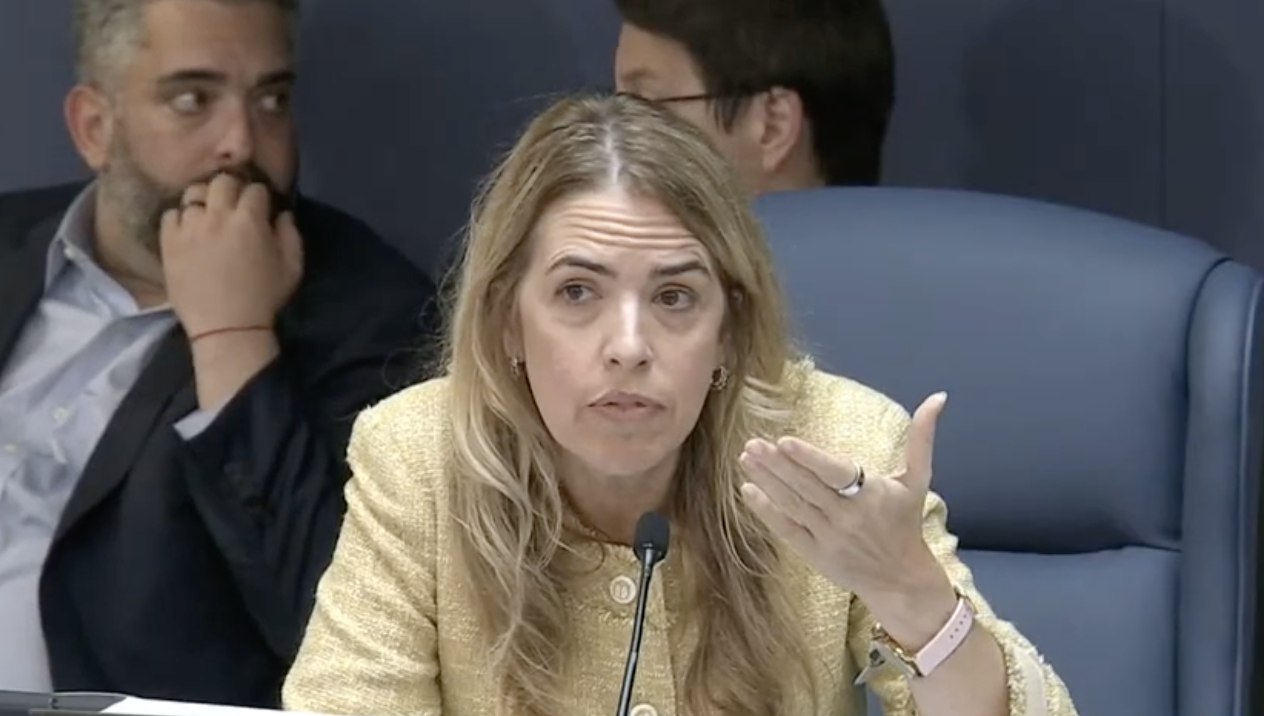 shifting some of those dollars toward restoring traditional bus service.
And she has been this for a while. At least since last year.
MetroConnect was supposed to solve the “first mile/last mile” problem — short trips connecting people in transit deserts with buses, trains and other transportation hubs. It wasn’t supposed to become Uber on the taxpayers’ dime.
Regalado has complained previously that that’s essentially what has happened, arguing that a relatively small group of people have learned to use the service as a free ride rather than a connection to the larger transit system.
So why cut the bus that carries dozens of people to work in order to preserve somebody’s free door-to-door ride?
That’s a budget choice.
And suddenly “there’s no more fat to squeeze” sounds a little less convincing.
But her colleagues were unwilling to look at any of Regalado’s amendments to the budget on the fly and wanted more time between the first hearing Thursday and the second hearing in two weeks on Sept. 17.
Read related: Amendment 3 looks like a winner — until Florida voters learn what it does
There was another reason this budget hearing matters beyond whether your bus still comes next year. This was basically the opening act of the November campaign over Amendment 3.
Levine Cava and other local government leaders have been warning for months that the proposed property-tax reform could blow an enormous  hole in municipal and county budgets and force governments to cut services residents actually notice.
Property Appraiser Tomas Regalado has estimated the county alone could lose somewhere around $300 million to $400 million in the first year.
But Regalado isn’t buying the apocalypse. He has pushed back against the warnings from local governments and argued that counties and cities should tighten their belts, examine their spending and look for other sources of revenue rather than frighten homeowners with predictions of disappearing services.
Which gives voters a pretty clean preview of the argument they’re going to hear for the next couple of weeks.
Levine Cava: There is no more fat.
Regalado: Look harder.
And somewhere between those two positions are Miami-Dade taxpayers wondering how a government with a $14.26 billion budget can’t scrape together $12.4 million to keep the first buses of the morning running.
Read related: Tallahassee just put property taxes on the chopping block in November
Thursday’s hearing wasn’t merely the first procedural stop on the way toward approving another giant county budget. It was a live demonstration of the debate voters are about to have statewide.
How much government do we want? How much are we willing to pay for it? And when government says it has to cut something, who gets cut first?
Because it’s rarely the consultant. It’s rarely the lobbyist. It’s rarely the politically connected nonprofit or somebody’s shiny new initiative.
It’s usually the bus.
And the person waiting for it at 5:15 in the morning.
Commissioners advanced the budget after a meeting that stretched past 2 a.m., but nothing is finished yet. The second and final budget hearing is Sept. 17, when commissioners will adopt the final spending plan and have another opportunity to move money around.
Which means the next two weeks are going to be very interesting.
Especially now that the mayor has told Miami-Dade County there isn’t another ounce of fat anywhere in a $14.26 billion budget.
Challenge accepted.
This kind of independent, government watchdog reporting is crucial to transparency and democracy. And more so every day. Help shine a light on the darker corners of our community with a contribution to Political Cortadito. Click here. Ladra thanks you for your support.

The $14 billion Miami-Dade budget is balanced on the backs of bus riders added by Ladra on
View all posts by Ladra →