
Mayor Vince Lago says public testimony doesn’t matter
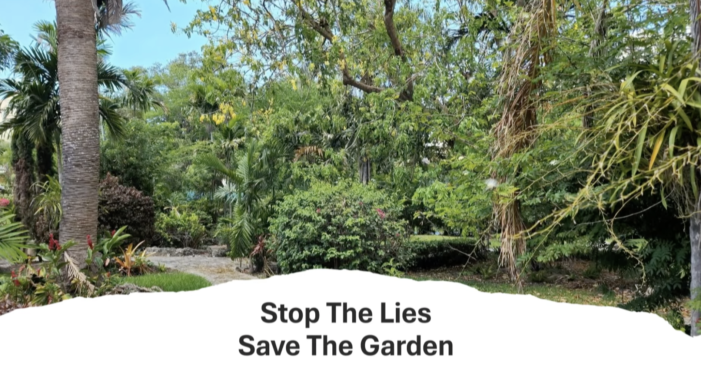
Coral Gables residents have spent years fighting the proposed Crystal Residences development at 110 Phoenetia Avenue — a nine-story luxury residential project that would replace the beloved Garden of Our Lord and incorporate a new home for Crystal Academy, the school serving children with autism.
They’ve fought over height. Density. Zoning. Traffic. Trees. Neighborhood compatibility. Historic preservation.
Now they may have to add fake neighbors to the list.
Attorney David Winker dropped what looked like a small nuclear device into Tuesday’s Coral Gables Commission meeting when he presented 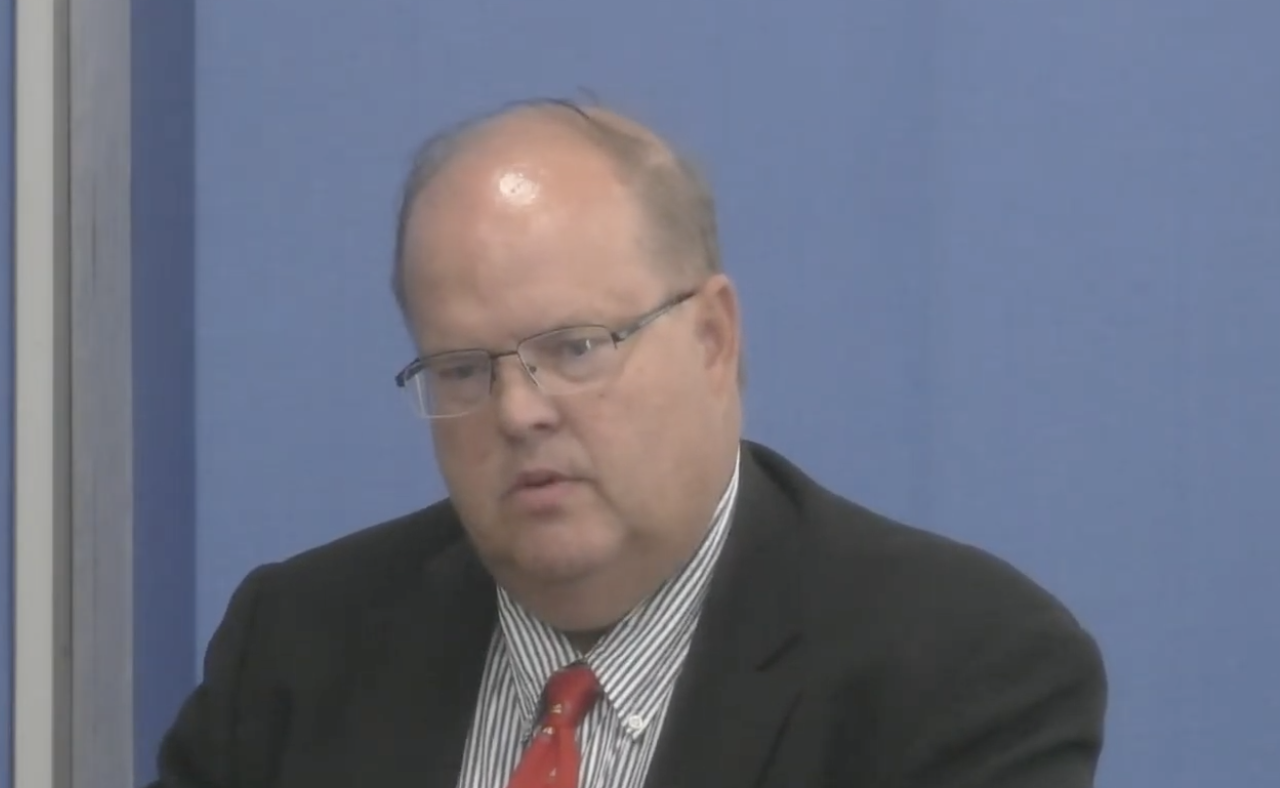 videos and other evidence indicating that multiple people who had appeared at public hearings supporting Crystal Residences — identifying themselves as nearby residents while under oath — apparently do not live at the addresses they gave.
Some addresses apparently didn’t even exist. Some were fully commercial buildings. Offices. “There re no residential units in this building at all,” Winker said.
You don’t say. Que cosa más rara.
And it gets better.
Or worse.
Winker, who represents Bonnie Bolton and a group of other neighbors opposed to the project, presented evidence that some of these same people had apparently shown up at Miami-Dade County hearings involving development of the former Calusa golf course — where they reportedly presented themselves as residents of that community.
Wow. These people really get around.
Read related: Controversial Crystal Academy luxury condo project approved in Coral Gables
The revelation came during Tuesday’s final hearing on Crystal Residences, the controversial project proposed for the 1.47-acre property at 110 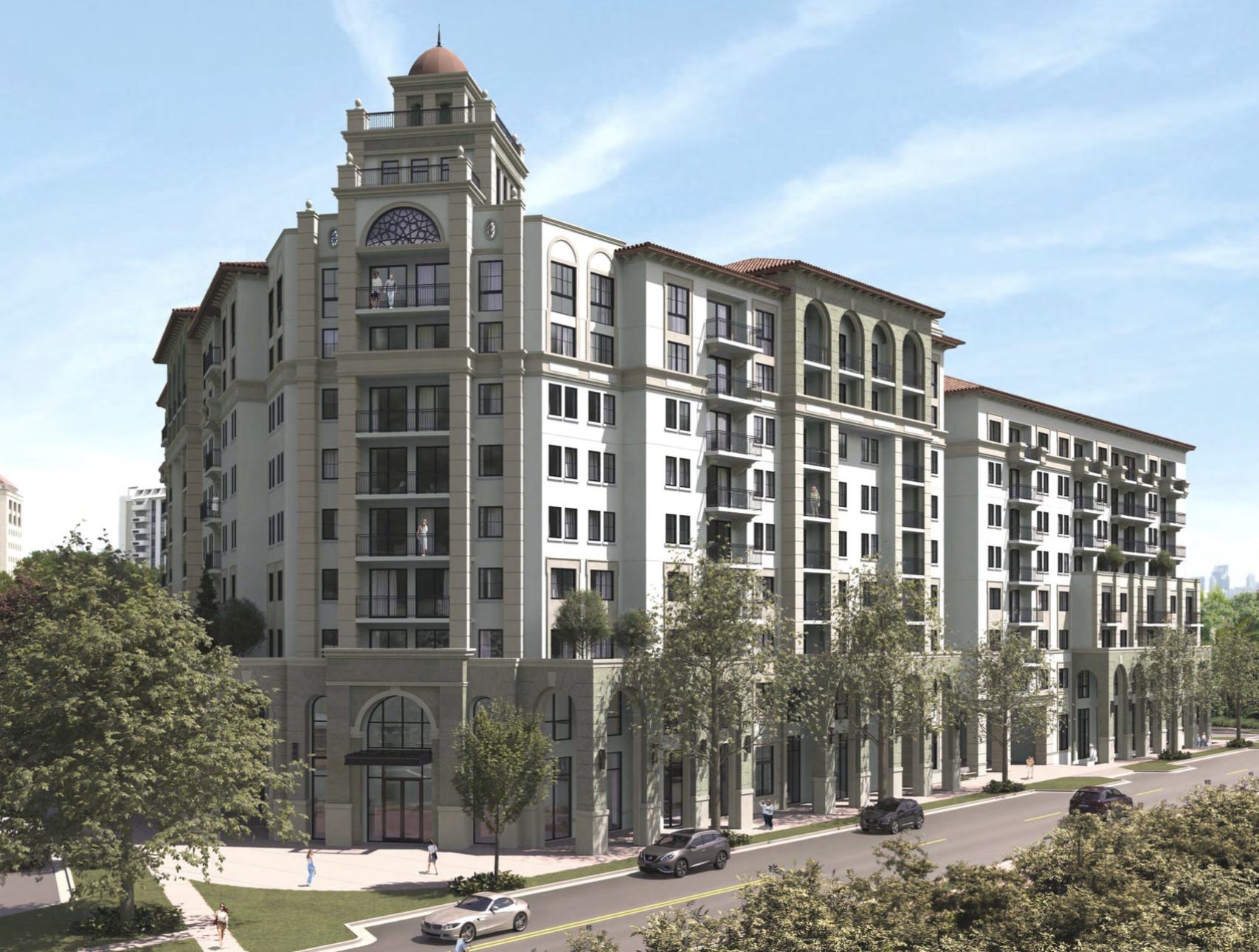 Phoenetia. The project calls for a nine-story mixed-use development with 184 residential units, 16 live-work units and a new facility for Crystal Academy. Fifield Companies is under contract to acquire the property if the necessary zoning approvals are obtained.
It required significant changes to what could be built there, including changing the zoning from Special Use to Mixed Use 2 and bringing the property into the North Ponce Mixed Use District Overlay.
Neighbors have opposed the development for years, arguing that a nine-story building simply doesn’t belong beside the lower-scale residential neighborhood surrounding it and that the traffic study from 2022 is outdated. Some questioned the $10,000 that the developer gave to the mayor’s political action committee just 12 days before the first reading approval last month.
Developers and supporters have countered, among other things, that the project guarantees a permanent home for Crystal Academy. That’s their gimmick, if you will.
And throughout the long approval process, people have come to public hearings to speak on both sides. That’s normal.
What isn’t normal is what Winker says he found when opponents started checking the addresses of some of the project’s supporters. Apparently, some of them weren’t neighbors at all.
The suspicions started because of little things. Some speakers looked like they had to read their own addresses from their phones when they approached the microphone. Others appeared to have trouble pronouncing the street names where they supposedly lived. It’s hard to know how to say Navarre Avenue if you’ve never said it before.
That raised eyebrows. So opponents did something that apparently nobody at City Hall thought to do. They checked. “Almost every single address that we checked was fraudulent,” Winker said.
First, he deliberately waited until after public comment to make his presentation. That turned out to be important. Because some of the same people who allegedly lied about where they lived the first time showed up again Tuesday and again gave residential addresses on the record — addresses that might not be theirs.
Then Winker rolled the tape. One by one, he showed speakers who had identified a nearby address as their own. Then someone started knocking on 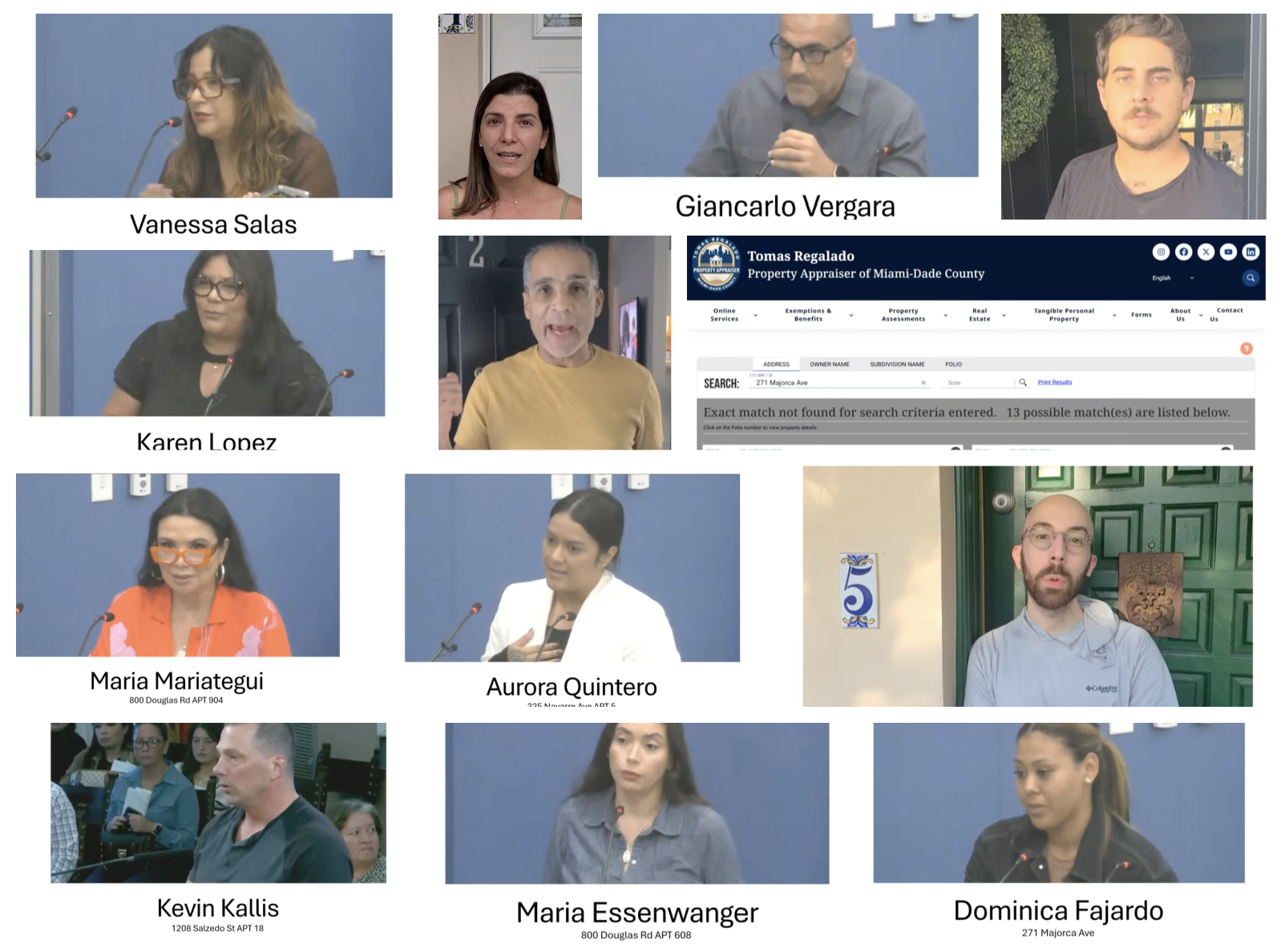 those doors and Winker showed video of those interactions. The whole video is available on the city’s YouTube channel. Start at the 4 hour 25 minute mark.
Lo and behold, totally different people lived there. And according to the presentation, the actual residents said they never heard of the person who had just told the Coral Gables Commission that he or she lived there.
Danny Silverman really lives at the address given by a woman who says her name is Aurora Quintero. He said he’s been living there a year. She had said she’s been living there two years. They don’t live together.
“I don’t know anyone by the name of Aurora Quintero,” Silverman says in Winker’s video presentation. “And I have not given her permission for her to use this address or represent this address in any shape or form.”
The owner of the apartment where a woman named Vanessa Salas said she lived, said something similar. “I’m not related to Vanessa Salas. I don’t know who she is and I didn’t give any permission to use my address or talk on my behalf. So please stop doing what you’re doing.”
This was recorded again. And again. And again.
Read related: Long live the King? Vince Lago silences critic after ‘royal’ remark at meeting
Winker documented at least 14 instances in which speakers supporting Crystal Residences gave addresses that, according to his evidence, belonged to people who said they did not know them. Other addresses, he said, simply didn’t exist.
This wasn’t somebody accidentally saying 412 instead of 421. If Winker’s evidence is accurate, this looks like an organized pattern. Maybe a conspiracy.
And remember: These aren’t Yelp reviews.
These are quasi-judicial proceedings, where speakers are sworn before giving testimony. Giving knowingly false testimony under oath can have consequences considerably more serious than getting yelled at by Ladra.
 Especially after Winker pulled out the Calusa material.
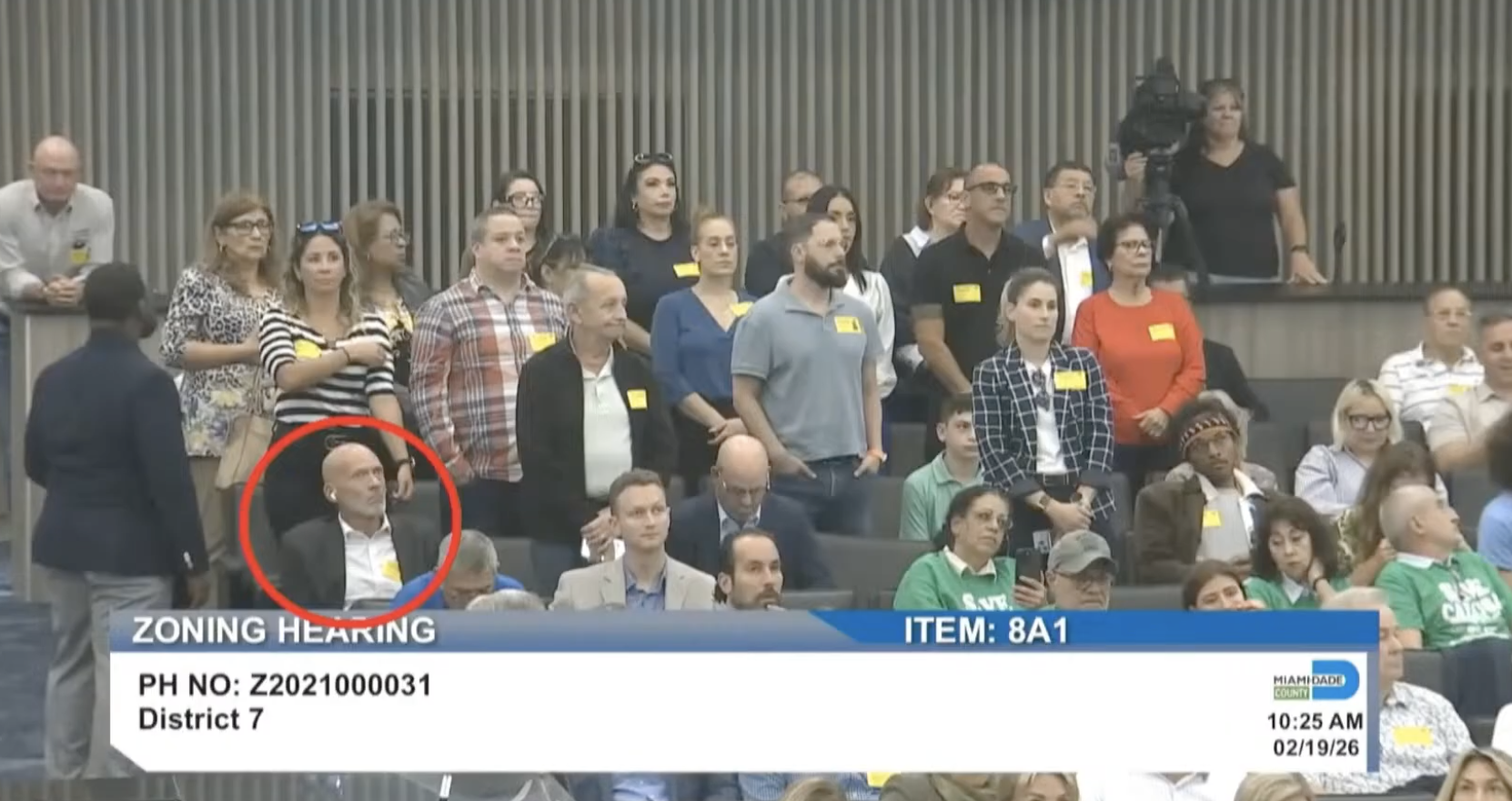
According to his presentation, some of the same people supporting Crystal Residences in Coral Gables had previously appeared at Miami-Dade County hearings supporting development of the former Calusa golf course — apparently identifying themselves there as people from that area. The commonality he found was a guy named Tim Hyman, circled in the county hearing photo, who allegedly owns a firm named Community Action Consultants, according to his LinkedIn profile.
“We specialize in community outreach for development projects. Building consensus and support for multiple types of projects. Commercial, residential, industrial, are just a few. Convent releases and petition drives. We bring balance to the public hearings,” says the about part.
Fake balance?
Fake firm. There is no Community Action Consultants listed in the Florida Division of Corporations. Hyman does own an eyewear boutique in Kendall.
So what exactly are we looking at? Professional public commenters? A traveling development fan club?
Or was somebody recruiting people to show up at government hearings and pretend to be residents supporting development projects?
That last possibility is precisely why what Winker presented deserved something more than a shrug.
Winker asked commissioners to defer the Crystal Residences vote so the allegations could be investigated.
“The pattern is clear,” Winker said. “There is obviously a coordinated effort to fraudulent or fake organic Coral Gables residents’ support for this public benefit that simply doesn’t exist.
“How can we trust this project where we already see such a lack of honesty and integrity connected to this? Is this commission going to protect this community or are we going continue to reward a project built on lies?”
Maybe because it never mattered?
Mayor Vince Lago, who interrupted Winker’s presentation because he didn’t want to see the breadth of the fraud, quickly pointed out that public comments weren’t “competent substantial evidence” upon which commissioners based 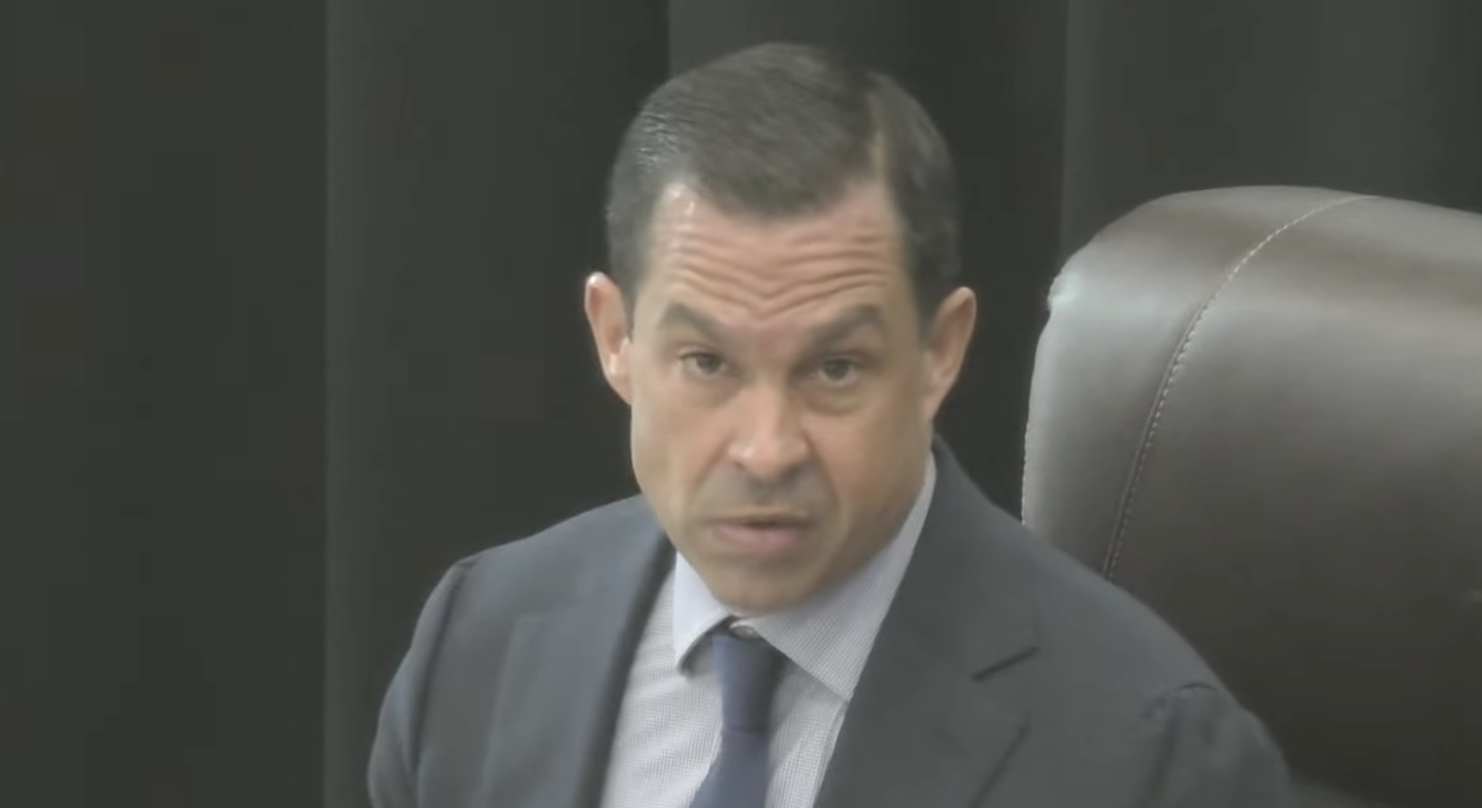 their quasi-judicial decisions.
“Anyone can come here and say whatever they like,” Lago said. “The body has to make a decision based on the evidence, not on 20, 30, 40, 50, 60, 100, 200 people showing up here either on the side we’re going to vote in favor of or the side we’re going to vote against.
“A person’s opinion coming up whether they are in favor of a project or not in favor of a project, is not a substantial part of the evidence.”
Wait. What? Is it because they don’t have $10,000 for his PAC?
Read related: Ladra sniffs a familiar scent: Developers suddenly rediscover Vince Lago’s PAC
Residents might want to clip that one and put it on the refrigerator. Because Coral Gables City Hall certainly spends an awful lot of time inviting residents to town halls for educational purposes, then public hearings, swearing them in, taking their names and addresses and listening to them testify for something that apparently, we know now, doesn’t matter to the decision.
This will undoubtedly come as fascinating news to every homeowner who has waited three hours — or six — at City Hall to get three minutes at the microphone.
Why swear them in, then? Why ask where they live? Why have public comment at all?
Just put out some cafecito and let everybody go home.
“Resident testimony is relevant evidence,” Winker said. But what’s more important is what’s behind it.
“You have people taking an oath and lying about where they live. They didn’t do it on their own,” the attorney said, suggesting they were paid. “We need to find out why this is happening, why this fraud is happening within our community. And it needs to be addressed.
“On its face it’s a crime. They perjured themselves. But we need to go a step further, because there’s a reason they did it. Who paid them to do that?”
Winker’s question went largely ignored by the commissioners, even though they all reacted with shock to the video.
Of course, Lago’s legal point and the larger problem are two different things.
Whether a resident’s opinion constitutes the “competent substantial evidence” necessary to support a zoning decision is one question.
Whether people are lying under oath before the Coral Gables City Commission about who they are and where they live is quite another. Could it be considered perjury? Is it a conspiracy if somebody coordinated it?
And those questions don’t magically disappear because it isn’t the evidentiary basis for approving a PAD or “planned area development.”
Commissioner Melissa Castro seemed to understand that. She asked Coral Gables Police Chief Ed Hudak to address the possible illegality of 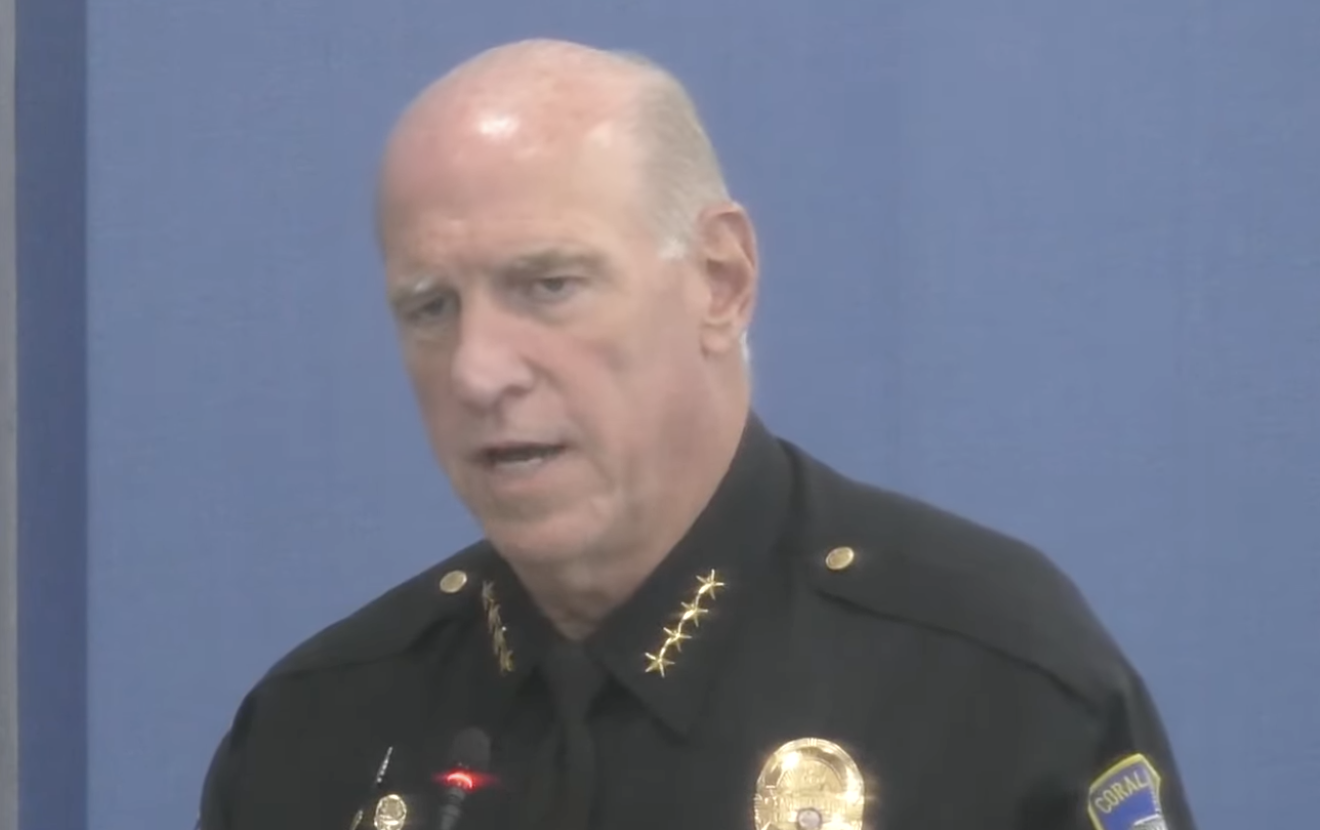 what commissioners had just seen. Hudak’s response was to downplay the significance of it rather than announce that detectives would immediately start knocking on doors.
“Potentially, it could be construed as a crime,” Hudak said. Keyword: could. “In a public setting here’s different levels of perjury that are investigated, depending on whether they are in a court of law or something like this.
“The issue that we have to drill down into would be what that person was testifying about,” the chief said. “From most of the ones I have seen, it is someone’s opinion to the board about whether this should be built or not be built.”
He called it a “factual misnomer,” whatever that is. For a veteran law enforcement professional, he seemed suspiciously unbothered by the obvious fake testimony.
“It would be a long drawn out investigation, not a high priority,” Hudak said, adding that it would be referred to a state agency while also completely poo-poohing the evidence. “It’s akin to somebody lying about their age. If I told you I was 60 years old and I’m 65, is that technically perjury? Yes. Is that something that would rise to the level of prosecution. No, I don’t think it would.”
But people didn’t lie about their age or their job. They apparently lied about where they lived in relation to a project that needed four variances from the city. They allegedly lied because someone told them to or paid them to. This is bigger than shaving five years off your age, chief.
Read related: Gables Police Chief Ed Hudak calls, pressures voters in commission race
This is probably why Winker said he wanted the Florida Department of Law Enforcement and/or the State Attorney’s Office to investigate. Nobody has much confidence that Hudak will find anything Lago doesn’t want him to find.
“These people again did not show up and lie about where they live on their own,” Winker said. “Someone paid them to do that and it’s important that we figure out who that was.”
He is not wrong. Because if the evidence is legitimate, the most troubling part isn’t whether one person — or six or seven — lied about living on a particular street.
It’s the apparent pattern.
Multiple people. Multiple addresses. Multiple hearings. Multiple municipalities.
And, potentially, multiple develo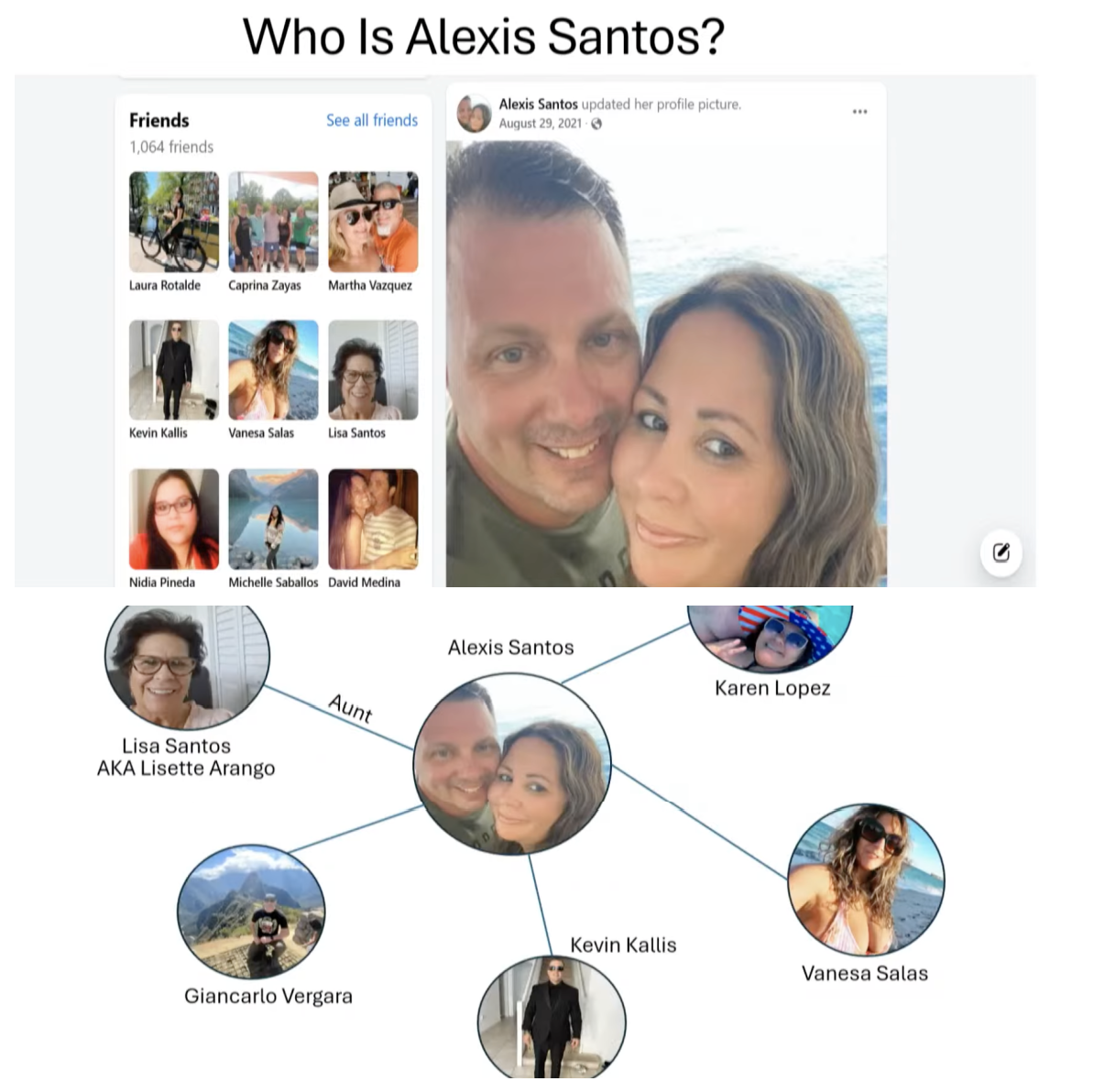 pment projects. We know of at least two that this team of pro-development speakers have spoken on behalf of. How many more are there?
That raises an obvious question: Who organized them?
A key person, Winker said, in addition to Mr. Hyman — who has been at some of the Crystal condo project hearings — is Alexis Santos. She has spoken multiple times in front of the commission in favor of the development. The address she gave was also fake.
And, additionally, she said she collected 500 signatures in support of the project. Can we trust those?
Winker found that, through social media, Santos is connected to at least five of the other people who gave false addresses and, as such, false sworn testimony.
Ladra, like Winker, has a difficult time imagining that a dozen strangers independently woke up one morning and said, You know what sounds fun today? Let’s go support an upzoning in Coral Gables and pretend we live nearby.
Maybe they did. Anything is possible. That’s what investigations are for. It might be precisely why voters approved a referendum in April providing for an inspector general.
Read related: Six Coral Gables amendments pass, two fail in mail-in ballot only referendum
Which is why Winker asked for an investigation before commissioners voted. Sounds logical. But noooooo.
The project had already advanced on first reading last month on a 3-2 vote, with Lago, Vice Mayor Rhonda Anderson and Commissioner 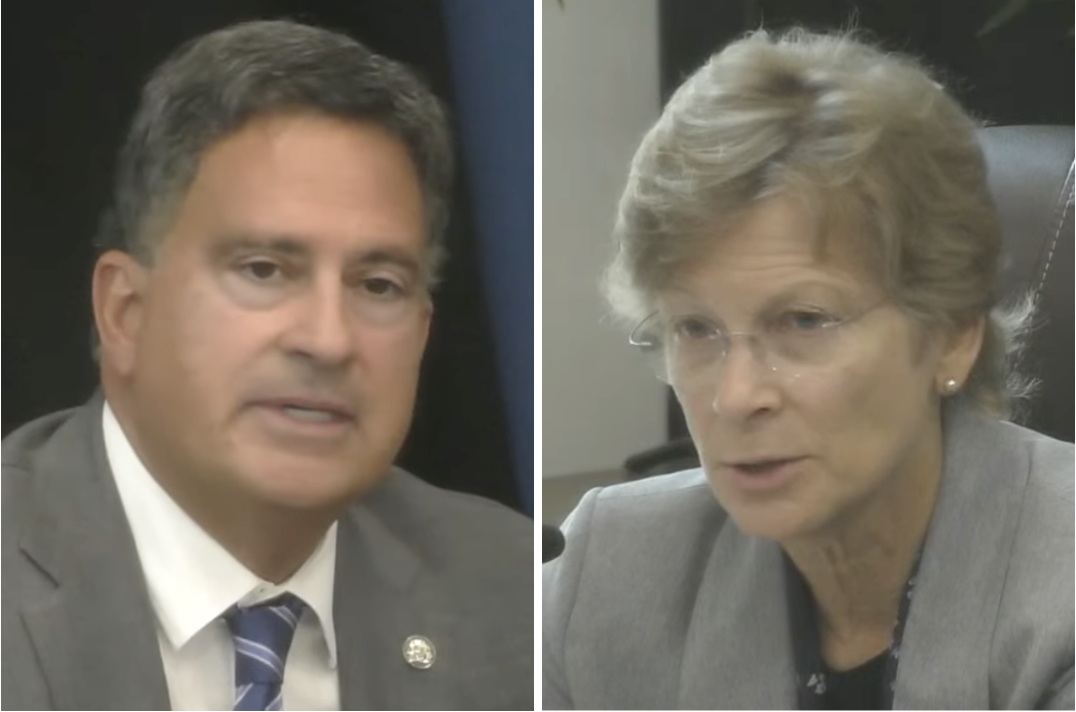 Richard Lara supporting it — making light of the allegations — and Castro and Ariel Fernandez, who was absent Tuesday, opposing it.
Tuesday, the majority wasn’t persuaded to stop the train.
Castro voted against the project again, saying neighborhoods should be preserved. Lago, Anderson and Lara supported it.
And only after the vote, Lago called for an investigation into the allegations.
Ah yes. Investigate away. Just don’t let it interfere with the zoning approval.
How convenient.
And maybe the investigation ultimately finds an innocent explanation. Perhaps people have multiple residences. Perhaps addresses were mistakenly entered. Perhaps Winker got something wrong. Every person accused by implication deserves an opportunity to explain what happened.
But that’s precisely why you investigate before dismissing the significance of the evidence.
And before taking the final vote might have been nice, too.
There is another layer here that makes the whole thing smell even worse.
Crystal Residences isn’t some little addition to somebody’s garage.
The project would transform a site containing the Garden of Our Lord and Crystal Academy into a nine-story development requiring major land- use and zoning changes. City records show the Planning and Zoning Board’s most contentious recommendation — changing the future land-use designation from Religious/Institutional to Commercial Mid-Rise Intensity — squeaked through 4-3.
The project has divided the neighborhood for years.
Which makes authentic neighborhood support politically valuable, even if it isn’t technically “competent substantial evidence” for purposes of the quasi-judicial decision.
Developers know that. Lobbyists know that. Commissioners know that. And residents sure as hell know that.
That’s why people show up. That’s why developers bring supporters by the busload. That’s why opponents organize neighbors. That’s why everybody counts the yellow shirts and the red shirts and the people lined up at the microphone.
So spare us the suggestion that it simply doesn’t matter whether someone appearing before the commission as a neighborhood resident actually lives in the neighborhood. If it doesn’t matter, why would anybody lie about it?
That’s the question Coral Gables ought to be asking now.
Along with a few others.
Who are these speakers? Who contacted them? Did anyone pay them? Did anyone provide them with the addresses? Did anyone instruct them what to say? Were the same people used at other land-use hearings? Did anybody connected to Crystal Residences know about it?
And has this happened before?
Those questions don’t accuse the developer, its attorneys, its lobbyists or anybody else of orchestrating anything. There is no evidence presented here establishing who, if anyone, organized these speakers.
The commissioners looked genuinely disturbed by Winker’s video. And Lara assured everyone that he was “going to ignore any statements made by 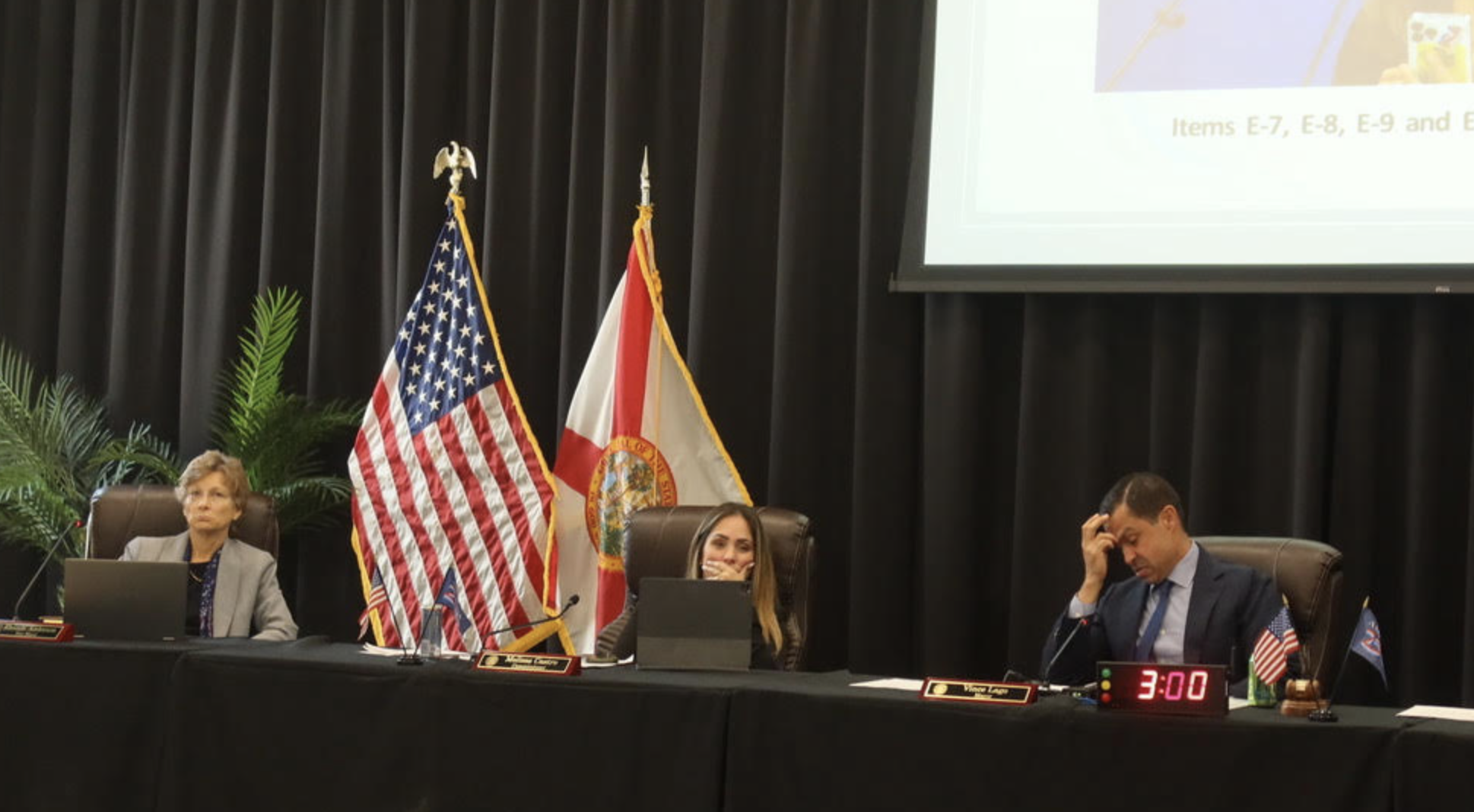 anybody who doesn’t live here.” But it was only Castro who took it more seriously.
“I was in disbelief of what I was watching,” Castro said about Winker’s video. “To stand before a commission, raise your hand, swear to tell the truth, and then provide false information. that is not public participation. That is a direct attack on the integrity of this process.
“You’re going to swear o tell the city the truth and then give us false information and then expect us to pretend, hey, it doesn’t matter, it’s okay. They’re just trying to influence our vote,” Castro said, disagreeing with Lago (big surprise).
“Before we change the zoning of an entire block. the record needs to be clean, credible and truthful,” she added.
Read related: Melissa Castro just proposed banning developer money in Coral Gables elections
Ya think? Somebody should definitely find out if the developer had anything to do with this subterfuge. Because it doesn’t bode well.
The Coral Gables Police Department can start with the PowerPoint.
Then maybe call the State Attorney’s Office. Or, wait a minute, doesn’t Coral Gables have the power now to bring in an inspector general? This could be their first assignment.
Because if people really are walking into quasi-judicial government hearings, taking an oath, giving fake addresses and pretending to be neighbors to manufacture community support for development projects, that is not some procedural technicality.
That’s an attack on the integrity of the public process.
Even if the public testimony supposedly doesn’t count.
And if it really doesn’t count? Someone should tell the residents.
They’ve been wasting an awful lot of Tuesdays.
This kind of independent, government watchdog reporting is crucial to transparency and democracy. And more so every day. Help shine a light on the darker corners of our community with a contribution to Political Cortadito. Click here. Ladra thanks you for your support.

Fake neighbors? Lawyer: Coral Gables public speakers lied on where they live added by Ladra on
View all posts by Ladra →
