

A nine-story tower was approved because of a school for autistic children
If there was one thing Coral Gables commissioners made clear Tuesday, it was this: Nobody wanted to be remembered as the person who voted against children with autism.
And that’s exactly why Crystal Academy became the centerpiece of one of the city’s most controversial development battles.
Not the nine-story apartment building.
Not the density.
Not the height.
Not the traffic.
Not the destruction of the Garden of Our Lord.
Not the fact that a project many neighbors insist simply doesn’t belong in the neighborhood was about to receive the zoning and land-use changes it 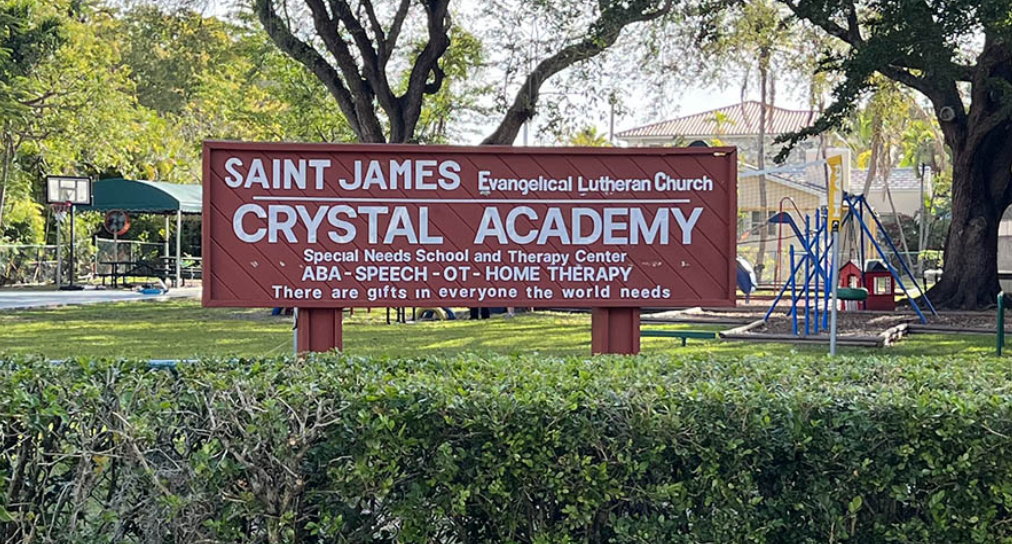 has been chasing for years.
No.
The conversation became about the school.
Brilliant strategy, really.
Because once you wrap a luxury residential overdevelopment in children with special needs, anyone asking uncomfortable questions suddenly risks looking heartless.
The result?
A predictable 3-2 vote, with Mayor Vince Lago, and his pocket vibes” also known as Vice Mayor Rhonda Anderson and Commissioner Richard Lara approving the package over the objections of Commissioners Melissa Castro and Ariel Fernández.
Read related: Op-Ed: Gables Commissioner Melissa Castro on pro-development referendum
Ladra doesn’t question the value of Crystal Academy. Far from it. Nobody who listened last week could doubt the emotion in the room as parents described what the school has meant to their children. Founder Mary Palacio spoke movingly about finally having a permanent home.
“For more than five years, our parents have been in limbo,” Palacio said, saying the uncertainty started when the Lutheran Church put the property up for sale. “We knew that change was coming.”
But the lawsuits, the hearings, the meetings have taken a toll on her and on the parents, she said, basically threatening to move the school elsewhere if the project wasn’t approved.
“I’m really proud of what we have done in the city of Coral Gables,” Palacio said. “But if this is the day we have to realize we are not going to have a 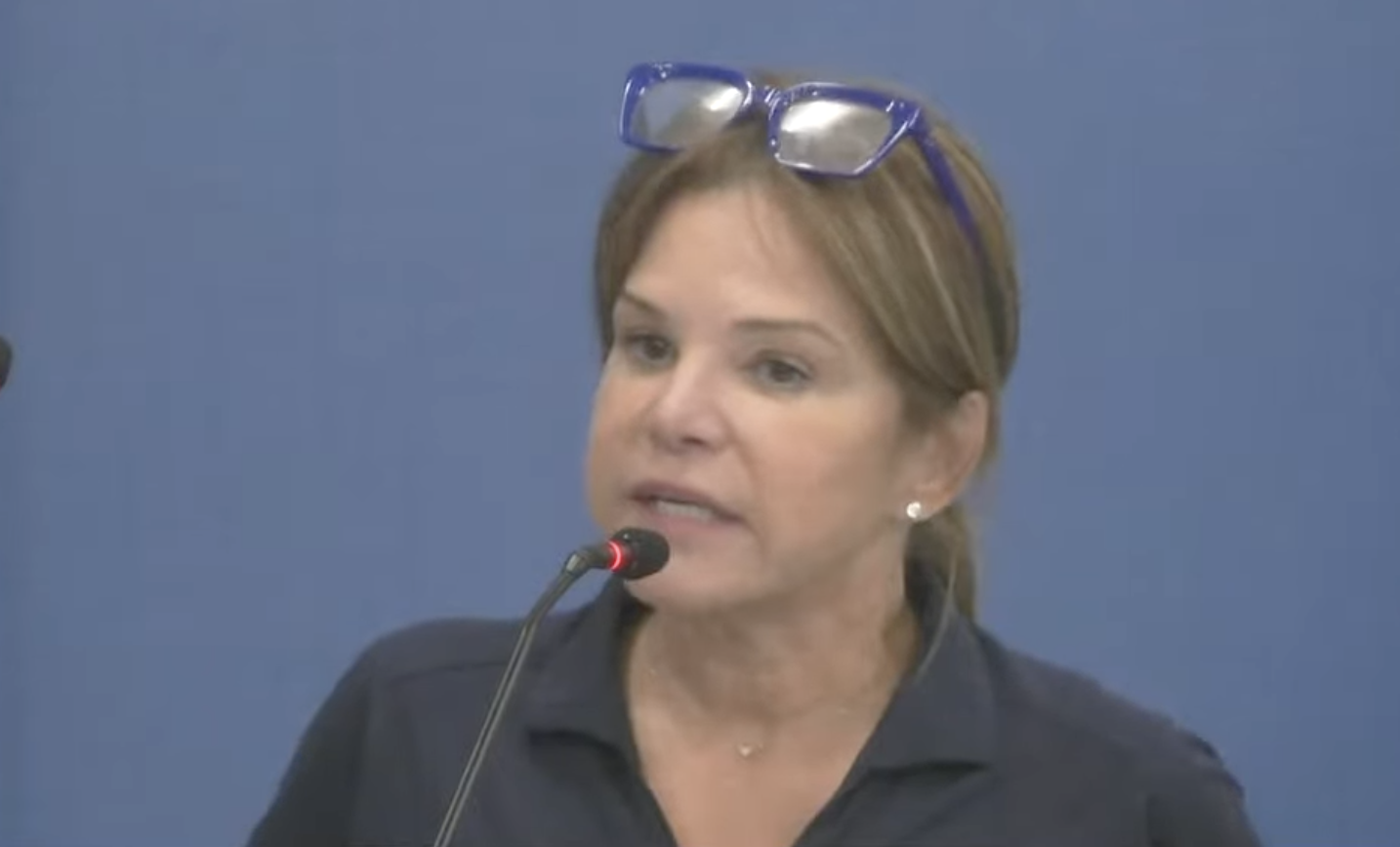 home here in Coral Gables, then part of me says so be it.
“We need to have a new beginning. My position here today was to really ask for certainty and for closure,” she told commissioners. “It would be a pity to leave this amazing city.
“My cry to you today is to make a decision so we know where we stand.”
Teachers talked about opportunities. Families cried. Their gratitude was genuine. Their stories were real.
But those stories also had the convenient effect of changing the subject.
Because the question before the commission wasn’t whether Crystal Academy deserves a more modern and permanent home. ¿Quién va a decir que no?
The question was whether a nine-story, nearly 200-unit luxury apartment building belongs on a 1.47-acre parcel surrounded by a low-rise and neighborhood that has repeatedly argued it doesn’t.
Maria Longo, who lives in a single family home on the same street, said she supported the school and its mission “wholeheartedly,” but that the issue was the project’s size and the already dangerous traffic patterns on surrounding streets. She asked for three things: A corridor or streetscape 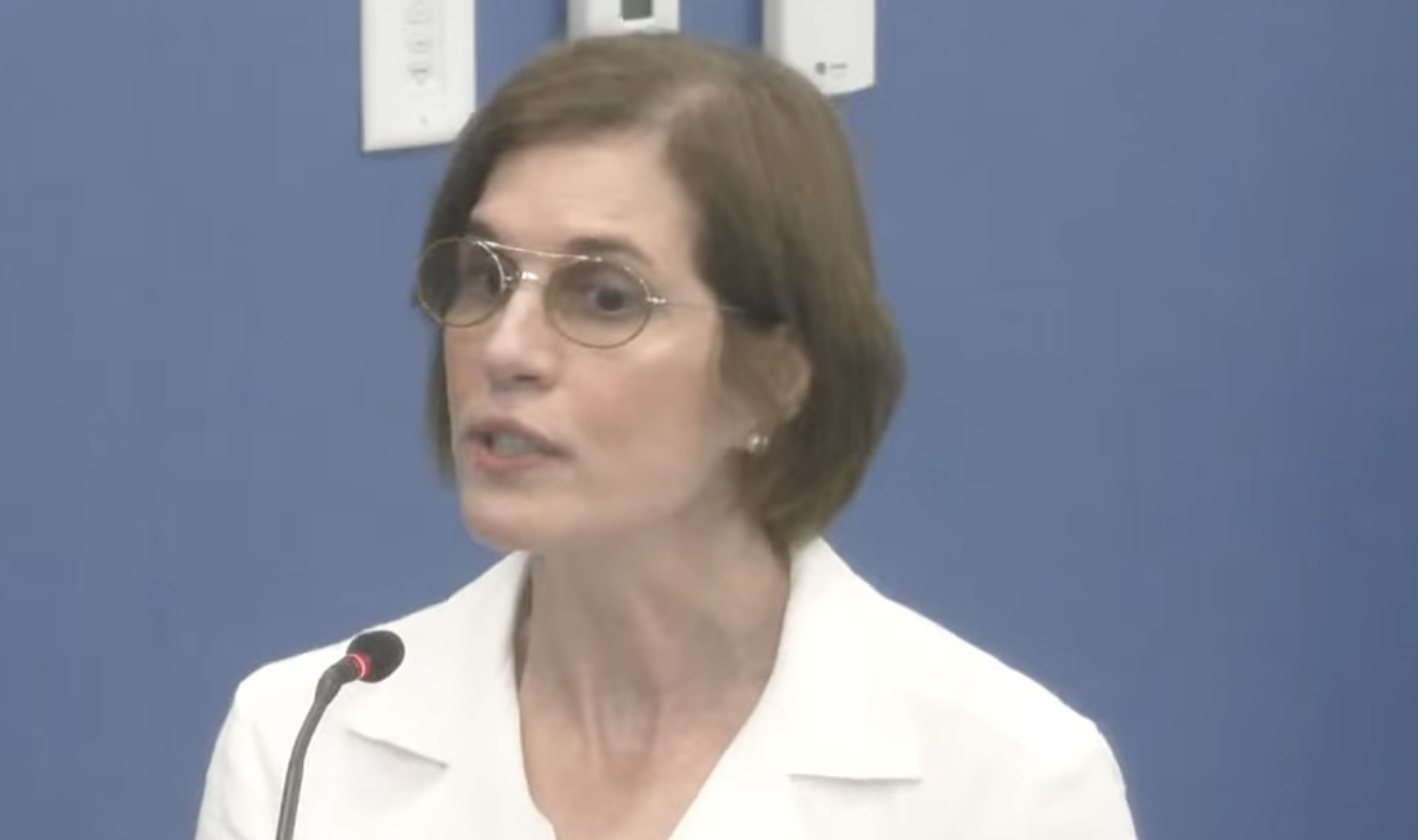 study, the addition of setbacks and trees, and meaningful public space, not a private courtyard for the building’s residents.
“This project is not being proposed in a vacuum. It will have a lasting impact on the surrounding neighborhood,” Longo said. “I want to be very, very clear: The school and good neighborhood planning do to have to compete.”
Commissioner Castro pointed it out that it is twice the size of what the city’s zoning code allows. “Why do we have a zoning code? Is it only for residents,” she asked. “Or is it to make exceptions for developers.”
The mayor reminded everyone that the zoning used to be for residential before it was changed to institutional use for the church — in 1926.
“I understand we can disagree on projects. We can disagree on style, height, units,” Lago said. “But I think we can all agree on one thing, and that is, we’re a better city with Crystal Academy here.”
He did not mention that he got a $10,000 contribution to his political action committee from the developer just days earlier.
Read related: Ladra sniffs a familiar scent: Developers suddenly rediscover Vince Lago’s PAC
Commissioners and supporters repeatedly pointed to what the developer calls the public benefits: a new school with a 99-year rent-free lease, a playground and a small park that will be available to the public — but only after school hours.
Public benefit. That’s what the park and a courtyard inside the condo community are being pitched as. But are they? The park is open at night,  right? And, from the renderings shown at the meeting, the internal courtyard may be accessible to the public, but it’s still inside the condominium complex.
Crystal Academy is a private nonprofit school. It serves between 40 and 75 students from throughout South Florida — not just Coral Gables — and charges tuition, although many families receive scholarships or financial assistance.
The new campus will unquestionably benefit those students and their families. No reasonable person disputes that.
But calling it a public benefit stretches the definition beyond recognition. It’s a private benefit with public value. Those aren’t necessarily the same thing.
The same goes for the park. A public park that isn’t really public until school lets out feels a bit like calling your backyard a municipal greenspace because the neighbors can borrow it after dinner.
Meanwhile, the public is giving up tangible things. A neighborhood-scale site. Historic landscape features. Mature trees. The Garden of Our Lord.
And a zoning precedent that allows a nine-story building where many residents say one simply doesn’t belong.
Those concerns weren’t imaginary.
Speaker after speaker questioned the project’s scale, its compatibility and the traffic it will generate. Even the Planning and Zoning Board struggled with the proposal at first before narrowly recommending approval.
Neighborhood advocate Bonnie Bolton — who has been leading the charge against the massive condo development — vowed the legal fight isn’t 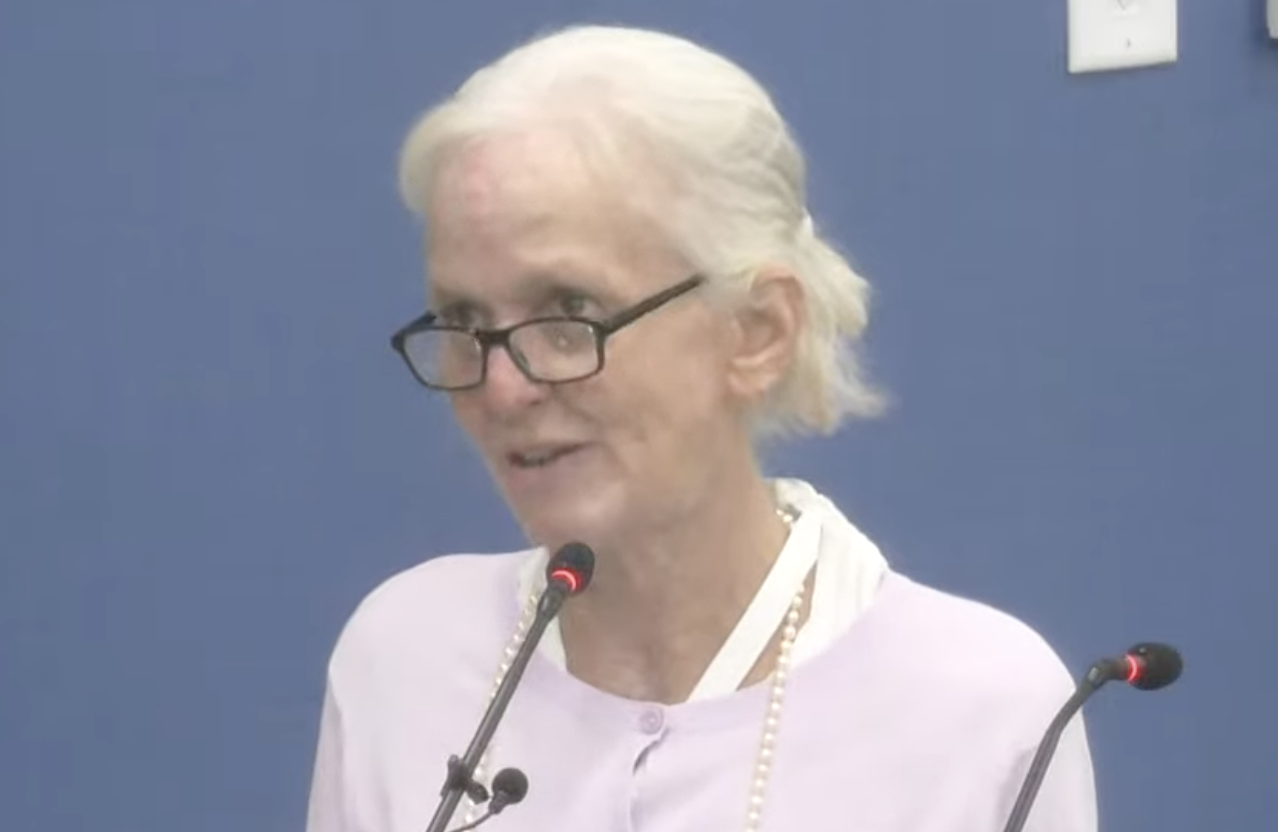 over. Her focus has been on preserving the Garden of Our Lord on the property, but she also talked about the incompatibility with the neighborhood. She also said it violates the North Ponce overlay historic district and contradicts the North Ponce planning process.
“And it contradicts the city’s current study to designate the neighborhood historic,” said Bolton, who is the daughter of the late leading women’s rights activist Roxcy Bolton, who was also very active in preservation of the Gables historic neighborhoods.
Yet by the end of the commission meeting, it almost felt as though opposing the building had become synonymous with opposing children with autism. That’s quite a political sleight of hand.
Claro que the two issues were never the same.
Residents weren’t arguing against Crystal Academy. Many suggested the school could remain, expand or even receive assistance without requiring a development this large.
Whether those alternatives were realistic is another debate.
 But the debate deserved to happen.
Instead, Coral Gables found itself in the uncomfortable position of treating one worthy cause as though it automatically justified everything attached to it.
Developers have long understood that the best amenity isn’t always a rooftop pool or a state-of-the-art fitness center. Sometimes it’s a narrative. And theirs was nearly perfect. This one was nearly perfect. Because who wants to vote against children? Apparently, two commissioners were willing to separate the school from the skyscraper.
Only in Coral Gables can a fight over height, density and neighborhood compatibility become a referendum on compassion.
The Garden of Our Lord may soon disappear.
The nine-story building will almost certainly rise.
And somewhere along the way, Coral Gables may have convinced itself those two things were simply the price of helping children.
Whether they actually were? Well, that’s a question that somehow never got fully answered.
This kind of independent, government watchdog reporting is crucial to transparency and democracy. And more so every day. Help shine a light on the darker corners of our community with a contribution to Political Cortadito. Click here. Ladra thanks you for your support.

Controversial Crystal Academy luxury condo project approved in Coral Gables added by Ladra on
View all posts by Ladra →
” I don’t now how everyone involved with this doesn’t feel dirty”
Unfortunately people like you are not politicians here .
The developer knew what he was doing when he called it Crystal Residences and made it all about the center. This is complete manipulation that was eventually going to pass, after Lago could make it seem like he had given the public enough time and heard from everyone, as he likes to say. But like with all his initiatives, it was always going to be a yes, he just wanted to brainwash you with two years of endless meetings.
Shame on the developer and politicians using the school. I don’t now how everyone involved with this doesn’t feel dirty. it makes me want to take a shower