
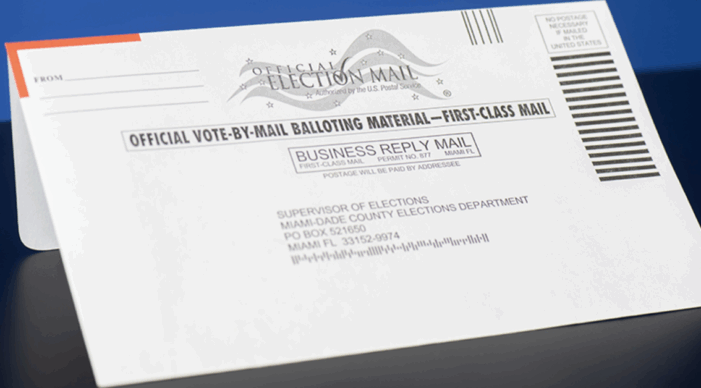
First batch of 167,563 vote-by-mail ballots to be sent
The first real sign that an election is here is not a yard sign. It’s not a candidate selfie at a ventanita. It’s not even the first mailer accusing somebody’s opponent of being a communist, a crook or a secret developer puppet.
It’s the absentee ballot drop.
And this week, Miami-Dade Elections will mail out its first big batch of vote-by-mail ballots for the Aug. 18 primary and municipal elections — 167,563 of them, according to elections spokesman Juan Mendieta, packed into 16 huge carts and headed to voters who already asked for them.
That is not a typo. Sixteen carts. Almost 168,000 ballots.
And that is just the first wave.
There will be smaller batches mailed out throughout the month and in the days leading up to the election, as more requests come in. Voters who still want a ballot mailed to them should not wait. Under Florida’s vote-by-mail rules, the deadline to request a ballot to be mailed is 5 p.m. on the 12th day before Election Day. For the Aug. 18 election, that appears to be Thursday, Aug. 6. Vote-by-mail ballots can be requested online. Still, elections officials should expect the usual last-minute rush anyway, because Miami voters do love to wait until the croqueta is cold.
Read related: ‘Fishy Frank’ Lago goes fishing for Trump voters in HD 113 GOP primary
But make no mistake: vote-by-mail is not some exotic pandemic-era invention in the 305, no matter what the MAGA machine has tried to sell people.
In Miami-Dade, absentee voting has long been part of the political bloodstream. It is how many elderly voters vote. It is how many working voters  vote. It is how voters with disabilities vote. It is how people who travel, caregivers, parents, nurses, police officers, teachers and overworked abuelas make sure their voice is counted without standing in a line in August heat that feels like punishment from the gods.
It’s certainly had its ups and downs. Political Cortadito was born in an era where boleteras were common and absentee ballot fraud was so rampant that there were multiple task forces and candidates hired private investigators to do surveillance on senior housing in Hialeah. For decades, absentee voting in Miami-Dade County carried a reputation as the part of the election most vulnerable to political manipulation. Campaign operatives often built sophisticated absentee-ballot operations, especially in local races where a few hundred votes could decide the outcome.
Allegations ranged from aggressive ballot harvesting and undue influence over elderly voters to forged signatures and improperly handled ballots. Who can forget the dead voter that cast a ballot in the 1997 Miami election? That election was overturned because of widespread AB fraud.
Then there were the arrests of the Hialeah boletero network in 2012. Deisy Cabrera Serio “El Too” Robaina and Anamary Pedrosa — an 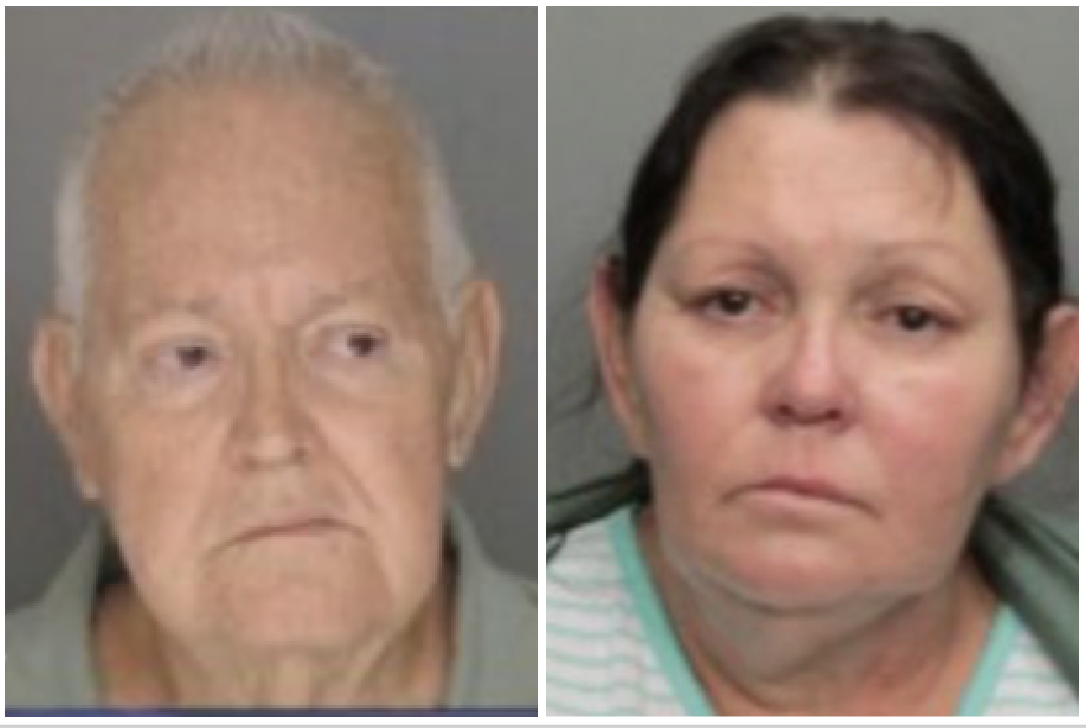 aide who worked in then Commissioner Esteban Bovo’s district office who had collected 164 ballots in the trunk of her car — were all arrested. And who can forget when former Congressman Joe Garcia‘s consultant Jeffrey “No Relation” Garcia solicited absentee ballot requests for the 2012 race against former U.S. Rep. David “Nine Lives” Garcia through a computer virus? Creative? Yes. Illegal. Also.
After that, we had two guys arrested in Homestead for manipulating the ballots of an entire family for then candidate, hotelier Mark Bell, husband of former county commissioner Linda Bell.
The arrests and ease of abuse was enough to make absentee voting a recurring political controversy in South Florida.
The system has changed dramatically over the last decade, particularly after Florida lawmakers passed a series of election reforms following the 2020 election. Today, “vote-by-mail” (the term that replaced “absentee voting”) includes significantly more safeguards than it once did. Some of the biggest changes include:
- Signature verification. Every returned ballot envelope is compared with the voter’s signature on file. If there’s a mismatch, voters are contacted and have an opportunity to submit a “cure affidavit” with identification before the deadline.
- Ballot tracking. Voters can now track their ballot online—from when it’s mailed to when it’s received and accepted—much like tracking a
 package.
 - Expiration of vote-by-mail requests. Under a 2021 state law, permanent vote-by-mail requests were eliminated. Voters must renew their request after each general election cycle, reducing the number of outdated ballot requests remaining on file.
- Tighter rules on ballot collection. Florida narrowed who may request, pick up, or return another person’s ballot, limiting opportunities for large-scale ballot collection by political operatives.
- Secure drop boxes. Ballots may be returned only at supervised secure ballot intake stations during early voting or directly to the Supervisor of Elections’ office, rather than through unattended drop boxes.
- Stronger chain-of-custody procedures. Election officials document and secure ballots throughout the process, with bipartisan observers and post-election audits providing additional oversight.

While no voting system is completely immune from human error or attempted fraud, Florida’s current process layers multiple safeguards that make widespread manipulation much more difficult than it was years ago.
“Vote by mail is very safe. It’s very secure,” Mendieta told Political Cortadito.
Say it louder, please, for the people still yelling “fraud” from the back of the room.
Read related: Vicki Lopez’s new campaign ads tout her record — leaves out a few things
President Donald Trump has spent years attacking mail voting, claiming without evidence that it invites widespread fraud — even while Republicans in Florida have historically used absentee ballots aggressively and successfully. This year, the fight went national again when Trump issued a March executive order trying to rewrite federal election rules and restrict mail voting through federal agencies. A federal court has already declared key parts of that order legally void, saying the president cannot simply seize control of state-run elections because he feels like it.
Then, just last week, the U.S. Supreme Court handed Trump and the Republican National Committee another loss. In Watson v. Republican National Committee, the court ruled 5-4 that federal Election Day laws do not stop Mississippi from counting absentee ballots that are postmarked 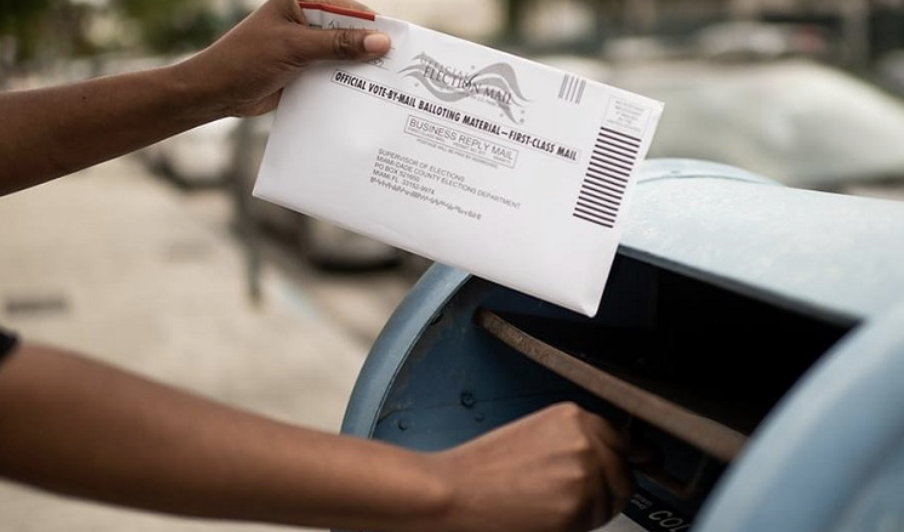 by Election Day and received up to five days later. Justice Amy Coney Barrett wrote the majority opinion, joined by Chief Justice John Roberts and the court’s three liberal justices. Translation: states still get to set many of their own rules for how mail ballots are counted.
Florida is different. Here, vote-by-mail ballots generally must be received by the Supervisor of Elections by 7 p.m. on Election Day. Not postmarked. Received. So do not test the post office, people. This is not the time to discover how “three to five business days” can become seven.
Voters can mail their ballot back, drop it off at an early voting site during early voting hours through a secure ballot intake station, or deliver it in person to the elections office before the deadline. They can also track their ballot online.
And when those ballots drop — the term campaign operatives use for the first mail-out — the campaigns will drop it like it’s hot, too.
That means the mailers are coming. The digital ads are coming. The texts are coming. The robocalls are coming. The “urgent” emails are coming. The glossy oversized postcards with unflattering black-and-white photos are definitely coming.
Read related: Somebody really wants Miami-Dade Judge Mavel Ruiz off the bench
Because every campaign worth its weight in yard signs know exactly when absentee ballots land. That is when voters start voting — not on Election Day, not during early voting, but right there at the kitchen table, with the ballot, the pen and maybe a cafecito. Or two.
So expect to get bombarded, especially if you live in one of the competitive districts or municipalities on the Aug. 18 ballot. Candidates and political  committees will be fighting for attention before that ballot gets filled out and sealed. The attacks will get sharper. The promises will get shinier. The “independent” committees will suddenly become very interested in your mailbox.
This is the real start of campaign season.
Not the kickoff. Not the fundraiser. Not the endorsement press conference with the same 12 people standing behind the candidate.
The ballots.
Once they are in voters’ hands, the election is no longer theoretical. It is live. It is moving. It is being decided one kitchen table at a time.
So check your mailbox. Read the instructions. Sign the envelope. Track your ballot. And for the love of democracy and all things sacred, do not let some hysterical Facebook post convince you that vote-by-mail is suspicious.
In Miami-Dade, it is tradition. If you do it right.
And this week, that tradition comes in 16 carts.
This kind of independent, government watchdog reporting is crucial to transparency and democracy. And more so every day. Help shine a light on the darker corners of our community with a contribution to Political Cortadito. Click here. Ladra thanks you for your support.

Miami-Dade absentee ballots go out this week — so do the campaign attacks added by Ladra on
View all posts by Ladra →
Trying to defend the indefensible… please stop