
When elected officials want to make it easier to sell off public land, it’s usually not about efficiency. It’s about opportunity — for someone.
And it’s usually not the public.
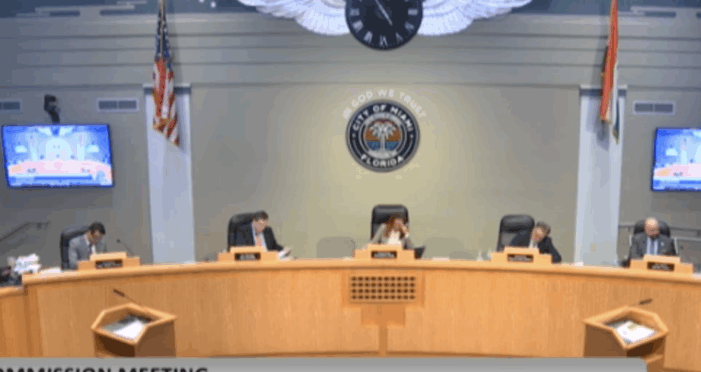
The Miami City Commission last month voted to put a referendum on the November ballot so that the sale or lease of city-owned land can be executed with a simple four-fifths vote on the dais. Right now, any sale or lease of public land has to go to a public vote. But this change would allow four people to sell public land. No public vote would be needed. So the right the public has today to approve or reject any property deal would be taken away.
This is becoming a habit with these commissioners.
Read related: Miami-Dade Judge: Miami Commission can’t cancel election without public vote
This proposal to ease restrictions on how the city can sell or lease non-waterfront public land was proposed by City Manager Art 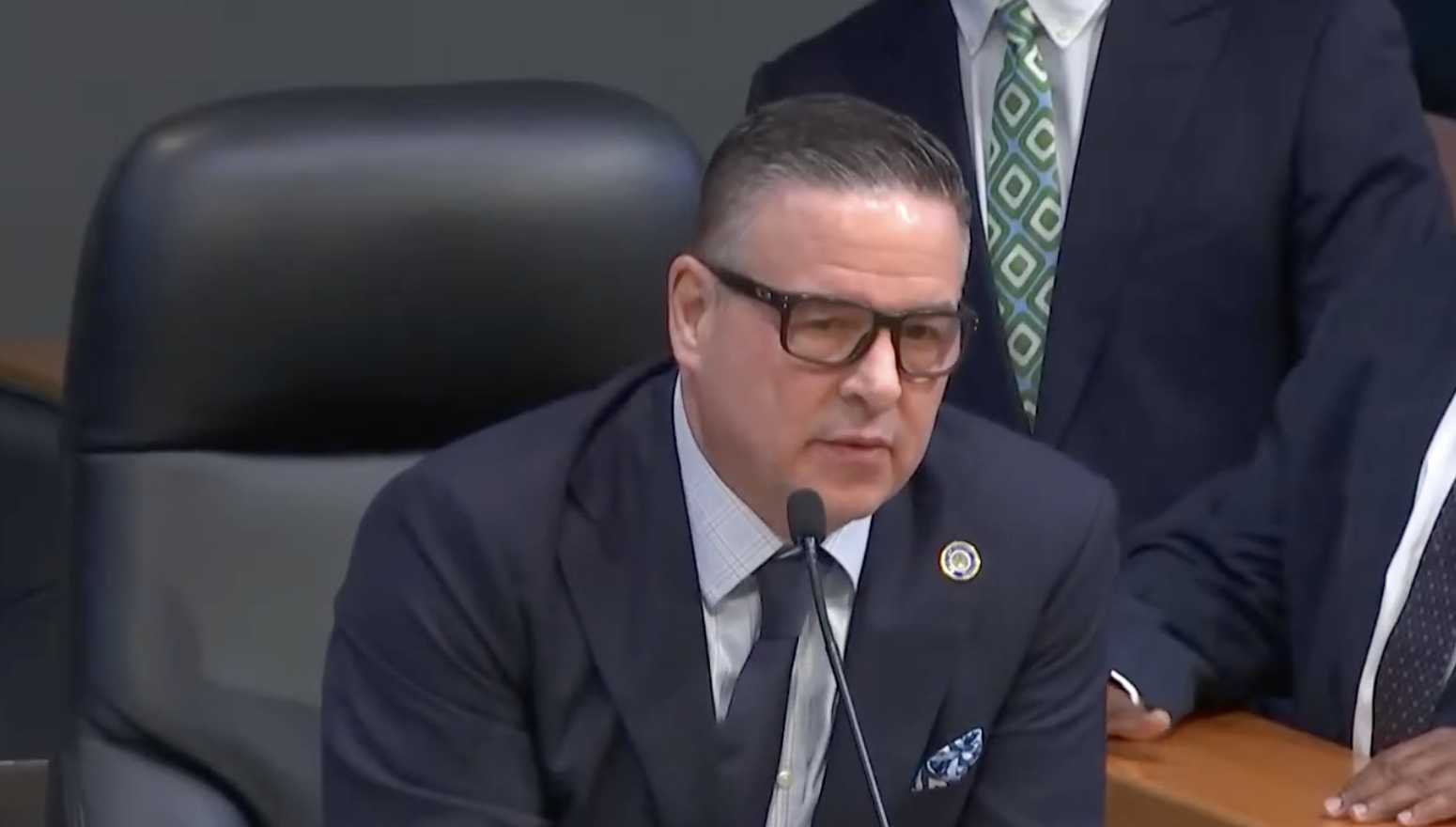 Noriega, not a city commissioner because that would be political suicide. But none of them pulled it for discussion, so the resolution was approved without a single question raised.
What properties would be affected? Which properties would be off-limits, besides waterfront land? Who determines “fair market value”? Who is waiting in the wings, ready with an offer?
There was even the ballot question attached to the July 24 reading:
“SHALL THE CITY CHARTER BE AMENDED TO ALLOW THE CITY COMMISSION, BY A FOUR-FIFTHS VOTE, TO APPROVE THE SALE OR LEASE OF NON-WATERFRONT CITY-OWNED PROPERTY WHEN FEWER THAN THREE PROPOSALS ARE RECEIVED AFTER PUBLIC NOTICE, PROVIDED THAT OTHER SAFEGUARDS, INCLUDING FAIR MARKET VALUE AND VOTER APPROVAL FOR WATERFRONT PROPERTY, REMAIN IN EFFECT?”
The City of Miami’s Department of Real Estate & Asset Management (DREAM) manages an estimated $17.5 billion real estate asset portfolio, which includes 513 properties, 139 million square feet of islands, three marinas of over 1,300 boat slips, moorings and dry racks, retail malls, hotels, office buildings, multifamily buildings, theaters, stadiums, parking garages, historic properties, long term ground leases, upland and submerged lands.
The resolution states that these “recommended revisions will promote the efficient, transparent, and fiscally responsible management and disposition of City-owned non- waterfront property, particularly in instances where market interest is limited.”
What does that mean? It sounds like bureaucratic fine-tuning — but Miami doesn’t have a good track record when it comes taxpayers’ assets. This looks like another loophole in the making, just waiting for the next sweetheart deal to slip through.
Right now, in addition to going to a public vote, the city has to advertise the property and get at least three bids before approving a deal. That’s called competition. That’s called transparency. That’s called giving the public a shot at knowing who’s trying to buy public property. And for how much. And for what purpose.
This change? It says, “Nah, don’t worry about all that.” Fewer than three proposals? As long as it hits “fair market value” and gets a four-fifths vote from the commission, it’s a go.
Read related: Miami commissioners vote to negotiate sale of historic Olympia Theater
Let’s be honest: This is like hanging a “for sale” sign with invisible ink. The average taxpayer won’t see the deal until it’s done, the 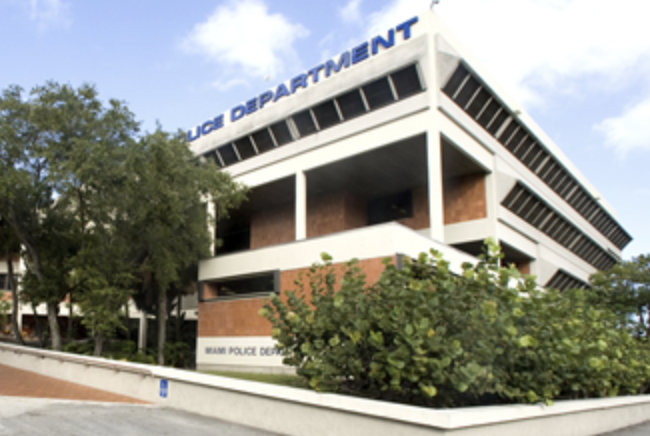 price is locked, and some lucky friend of a commissioner or mayor is already picking out floor samples.
There is talk that this could be related to the future sale of the Miami Police headquarters property downtown. It could also open up the floodgates on unsolicited offers to redevelop a number of public housing buildings.
Sure, the city says this doesn’t apply to waterfront land. Miami voters still have to approve the sale or lease of any waterside property. For now, anyway. Because everyone knows how these things evolve. First you carve out a little exception. Then you find a way to stretch it. Then you say, “Well, it worked fine for inland properties, soooo…”
Next thing you know, a former park becomes a condo tower, and the public gets a press release and a commemorative plaque.
Proponents are going to say there’s nothing wrong with getting the public to vote on this. But then they’ll spend millions to fool the voters into thinking it’s a good idea.
Ladra thinks it’s a bad idea. Not because she hates streamlining — but because she knows exactly who benefits when public oversight gets called red tape.
And it’s usually not the public.

The city of Miami wants to sell your public land with no public vote added by Ladra on
View all posts by Ladra →
[…] Read related: The city of Miami wants to sell your public land with no public vote […]
[…] Read related: The city of Miami wants to sell your public land with no public vote […]
Biscayne Park is maybe 3-4 acres BUT residents of Edgewater and the OMNI area need it. And that is the park Alex DLP was indicted for trying to give away for bribe money to the crazy
Centener family. Ex-commish Alex DLP went to jail and he forced the taxpayers to spend over $2 MIllion in legal fees to find a loophole to get up back on the street scamming. There are so many corrupt Miami politicians and a smaller and smaller number of parks for them to steal.
Watson Island was owned by the State. It was supposed to be Miami’s Central Park. But corrupt Marc Sarnoff and idiot Ken Russell sponsored zoning changes. Then corrupt Calvo and super corrupt Pardo increased the zoning. Then Pardo voted to give the land away to 4 sleazy developers. Watch the trees get killed!
Allan Morris Park just south of the Miami River was demolished
and stolen. It was the only park within 3/4 mile. Bicentennial Park
was stolen! It was 27 acres, now only 10-11 remain. Elected officials
give away public land to whoever gives them money.
#OURCITY FAATHERS have done a BAD JOB SELLING PUBLIC LAND and NOT COLLECTING FROM IT (THE ORANGE BOWL ) The MELL REESE PARK ) and Others
And the cuba mob corruption continues
They’ve already sold of a piece of Watson Island to condo developers. The city of Miami has no shame.
Scary. We will see more public land stolen…
The 40 acre Orange Bowl Park was stolen. 130 acres of Melreese Park were stolen. (Thanks Francis Suarez and Emilio Gonzalez). A pocket park downtown was stolen.
Wow, they just keep on rolling along, don’t they? Willingly oblivious to the fact that no one trusts them to do anything that’s right. And you’re right: Whoever is behind this will flood voters with misinformation about the benefits to the City and taxpayers, and the voters will predictably be fooled, as has happened over and over.
Apparently, you folk’s forgot that you let Castro and Che steal everything from you without a fight! Loco
Anyone here have a solid example of when public oversight getting the ax has in fact benefited the public in the history of MD or the City of Miami?