
This is Round 2 on who controls development
UPDATE: This meeting has been cancelled.
The city of Miami is fighting the county’s rapid transit zone expansion, calling it harmful to the city residents, and has is ready to file a lawsuit seeking to keep control of zoning regulations within Miami city limits.
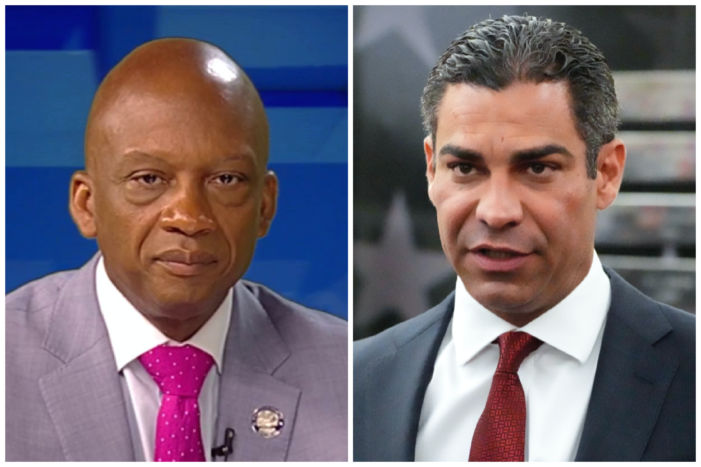
Next week, the city will meet with the county in order to seek a resolution before heading to court. On the city side, Mayor Francis Suarez will make the case for Miami. On the county side, Miami-Dade Commission Chairman Oliver Gilbert will participate in what has been characterized as “settlement negotiations.”
The county commission voted July 16 to appoint Gilbert, who is the main cheerleader promoting RTZ across the county as a way to increase the inventory of affordable housing while creating more rapid transit traffic to draw federal funds, to the talks. Miami Commissioners voted Tuesday to make Suarez their representative.
State law requires governments with conflicts to attempt to resolve them outside of court before proceeding with any lawsuit. The city has had a lawsuit ready for months. Suarez told the commissioners that he doesn’t want to go that route.
“But we are not afraid of litigation to preserve our rights… if this process breaks down,” he said.
Read related: Miami-Dade and city of Miami to meet re zoning density along transit routes
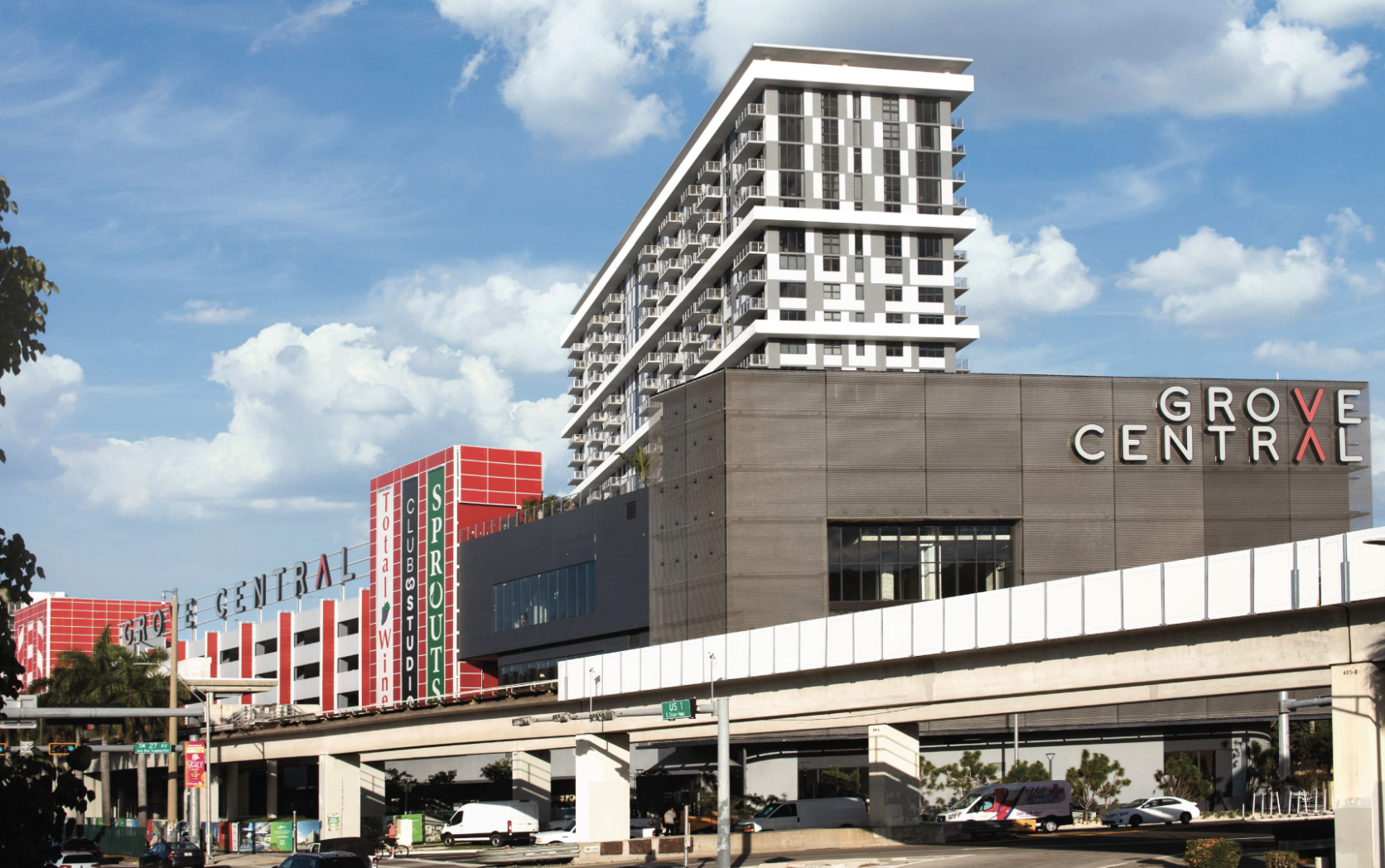
This will be at least the second meeting between the city and the county on the county’s transit oriented development plans along the SMART corridors. Projects are already proposed for the Coconut Grove, Douglas Road and the Overtown Metrorail stations within the city of Miami limits.
After negotiations stalled after the first meeting, the Miami city commission voted July 11 to find that “Miami-Dade County’s continued amendments, expansions and enforcement of the rapid transit zone (RTZ) and the county’s continued issuance of permits for properties within the city of Miami municipal boundaries is declared to be an immediate danger to the health, safety or welfare of the public which requires immediate action.” The resolution also directed the city attorney to take any and all legal action.
Suarez was suggested by Commission Chair Christine King. But before he could vote, Commissioner Manolo Reyes, who is concerned about the Live Local Act — the state legislation that allows for denser development when workforce and affordable housing is included — and how that, combined with transit oriented zoning, will affect residential neighborhoods, asked what the mayor’s position was on the county’s push for expanding the RTZ.
“My position is your position,” Suarez told them, assuring them that he would represent the city commission’s arguments, adding that he would be a good choice because the Florida in the Sunshine Law does not prohibit him from speaking to the city commissioners individually about the negotiations.
“I’m very concerned about RTZ because it basically usurps the city’s zoning authority and regulatory authority,” Suarez said. “It seems to be growing. It’s like this creature that grows and grows.”
Like in “The Blob?”
Suarez said “everybody here wants transit oriented development. I think there’s a deal to be made.” He said that he believed he could find some “middle ground” with Gilbert, who has experience as the onetime mayor of Miami Gardens.
“The hope is, he can appreciate the impact,” Suarez said.
The meeting at 1 p.m. Monday, July 29, in the auditorium at Chief Clarence Dickson Police College, 350 N.W. 2nd Ave., is open to the public.

Rapid Transit Zone standoff between Miami, Miami-Dade goes to mediation added by Ladra on
View all posts by Ladra →
The Frankie B Rolle Community Center, in the Coral Gables industrial enclave, sold it’s spacious property to developers, some two years ago The high rise on Douglas and Dixie Hwy, required land from the Metrorail PKG lot. These are two R/E sales by our local governments. Both buildings are modern, state of the art construction and fit in with the County Development ‘s plans for the area south of Flagler to Biscayne Bay. Metrorail already attracts innumerable riders that benefit from its utility, and , we think, it doesn’t need to be soliciting riders, like it was a newspaper route .
” Oh the Drama of Suarez ”
Lol , how true .
A wise man once asked if Cubans could govern without drama and corruption .
I was insulted by that question, found it culturally offensive because he made it sound like this was a bad thing .
However a few can govern without drama
Ironic that the County is pushing for these “stations” and “bus stops” within city of Miami instead of spending the money (federal grants, etc) in
FINALLY EXTENDING METRORAIL ALL THE WAY SOUTH TO FLORIDA CITY AND WEST TO KROME AVENUE AS ORIGINAL PLAN WHEN METRORAIL WAS BUILT.
Plenty of empty county land along both routes that can be develop for affordable housing.
[…] Story continues […]
You’re talking about one of the best designed places in the city. Housing for lots and lots of people, all amenities nearby, very walkable, bikeable and with transit right outside. It’s not social housing level cheap, but there’s plenty of cops, teachers and nurses in those buildings and ffs they’re brand new, well equipped buildings so of course rent will be priced accordingly. And for those who live there there’s no need to own a car, which more than makes up for the cost of rent.
The real monstrosity is the insane, gridlocked US1 Hwy cutting through the neighborhood.
Oh the Drama of Suarez
and I love this quote: State law requires governments with conflicts to attempt to resolve them outside of court before proceeding with any lawsuit. The city has had a lawsuit ready for months. Suarez told the commissioners that he doesn’t want to go that route.
“But we are not afraid of litigation to preserve our rights… if this process breaks down,” he said.
But THEY wont do one thing on the PAMM billboard that violates all kinds of code/city and state but you will make it a point to talks sH&^ on a county/city issue.
Stand up for the VOTERS and the CITY and Downtown…
One need only to look at the monstrosity built at the Douglas Road station, to have reservations about how Rapid Transit Zones and Transit Oriented Developments affect neighborhoods near transit hubs. The County has been captured by the developer cartel that benefits greatly from the building height-footprint zoning variances afforded by RTZ and TOD. Finally, one should ask the developers of existing TODs along US1, what fraction of occupants are cops, teachers, and nurses, and are they given apartments with views of Biscayne Bay?