
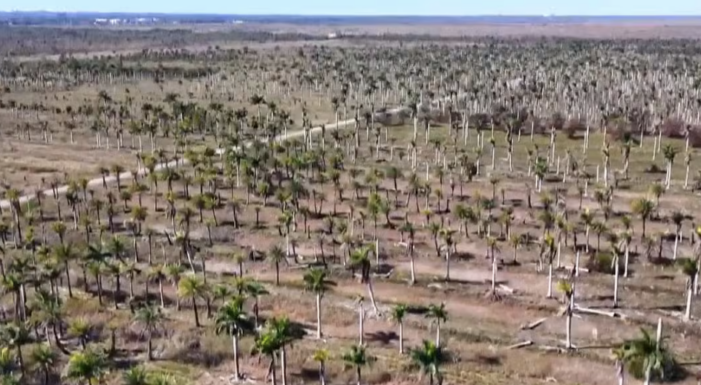
Critics: Why have a development boundary at all?
Kelly Tractor finally got their nine.
After months of delays, a mayoral veto, repeated deferrals and enough parliamentary maneuvering to make your head spin, Miami-Dade commissioners on Tuesday approved the controversial Kelly Tractor headquarters outside the Urban Development Boundary on a 9-3 vote.
Nine.
The magic number needed to override another veto from Mayor Daniella Levine Cava. If she weren’t already on board.
Funny how that worked out, huh?
“I voted no today, and the time before that, and the time before that, and the time before that, and the time before that,” Commissioner Danielle 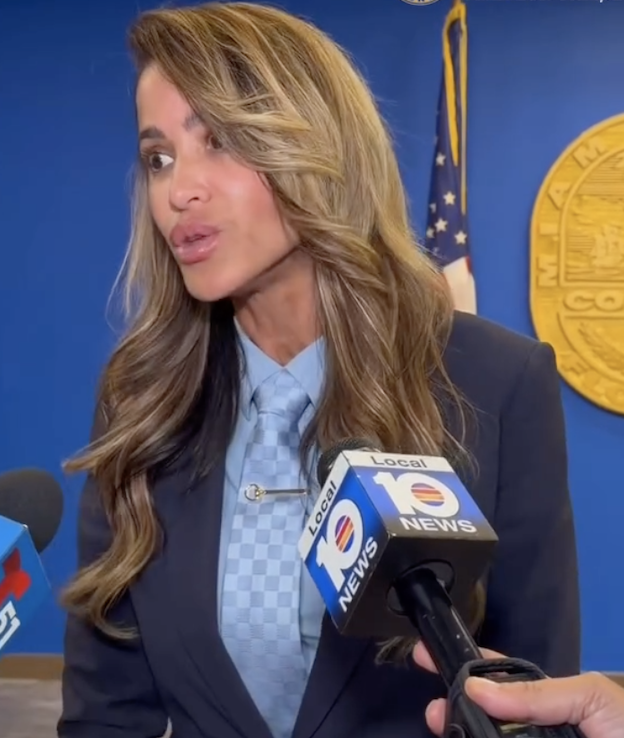 Cohen Higgins said after the vote, noting that the application had been deferred eight times.
Eight.
Then she said the quiet part out loud: “This is an example of attrition. Okay? They vote-counted until they got the number that they needed. And I don’t support that procedure in general.”
Exactly. And Ladra can’t help but wonder how often that happens.
“We have sufficient land within the Urban Development Boundary” for Kelly Tractor to build what it needs, Cohen Higgins added. “It may not be convenient for Kelly Tractor, but we all know Kelly Tractor certainly has the funds to build elsewhere.”
Read related: The Kelly Tractor fight really isn’t about tractors at all — it’s about the UDB
Kelly Tractor, the longtime Caterpillar dealer now headquartered in Doral, wants to build a massive new corporate campus of as much as 2.7 million square feet on 246 acres west of Northwest 137th Avenue near the end of the Dolphin Expressway. Almost all of that property is outside Miami-Dade’s UDB — the line that for decades has supposedly separated urban development from agricultural and environmentally sensitive land.
And a huge part of the property is wetlands.
Yet Kelly didn’t ask commissioners to move the UDB. That would have required going through the county’s normal process for expanding the boundary — including requirements intended to determine whether Miami-Dade actually needs more developable land outside the existing urban area.
Instead, Kelly asked commissioners to change the text of Miami-Dade’s comprehensive development plan specifically to allow this kind of 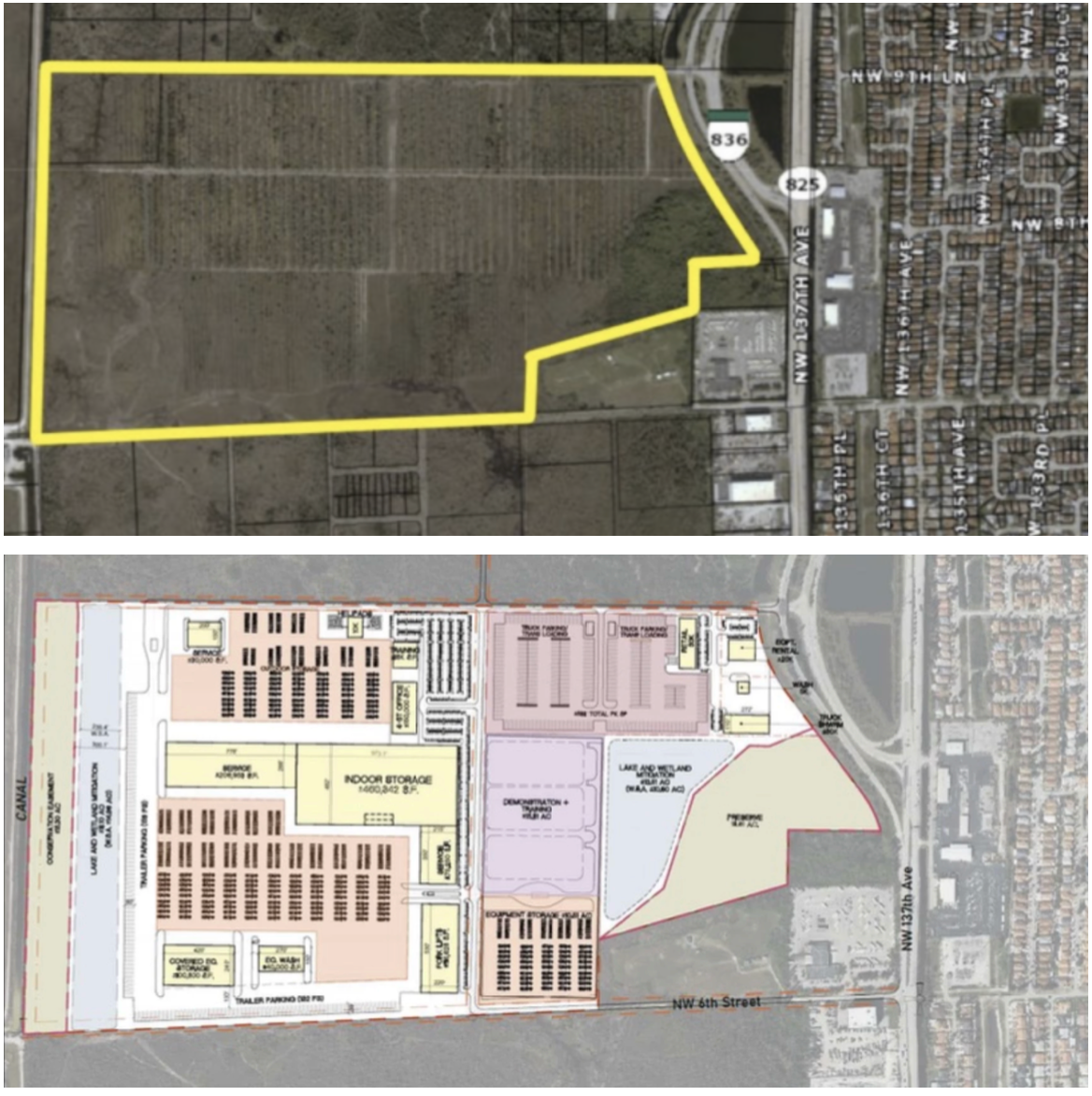 development on this property while leaving the line itself technically untouched. County records describe the application as creating a new “MIA Equipment and Supportive Services Area” within land otherwise designated Open Land.
So, no, they didn’t move the UDB. They just made an exception allowing urban development on the other side of it.
Tomato, tomahto.
That distinction has been at the heart of this fight from the beginning.
Environmental advocate Laura Reynolds, science director for the Hold the Line Coalition, summed it up after Tuesday’s vote: “It doesn’t move the UDB. It just makes it irrelevant.”
And that may ultimately be the biggest issue here — bigger even than Kelly Tractor.
Read related: Kelly Tractor showdown delayed as Miami-Dade commission sidesteps veto
This is not the first time commissioners approved this project. They voted 9-2 for it back in January.
Levine Cava vetoed the approval Feb. 1, saying Kelly had failed on two fronts: protecting environmentally valuable wetlands and using the normal UDB amendment process rather than a text amendment that avoided some of the additional growth and fiscal-impact review required when the boundary itself is changed. County agenda notes documenting the veto specifically identify both concerns.
“The Urban Development Boundary exists for a reason,” Levine Cava told commissioners afterward. “Growth must be responsible. It cannot be unbridled.”
But rather than test whether the commission had enough votes to override her, supporters effectively reset the process and kept the application alive.
 And alive.
And alive.
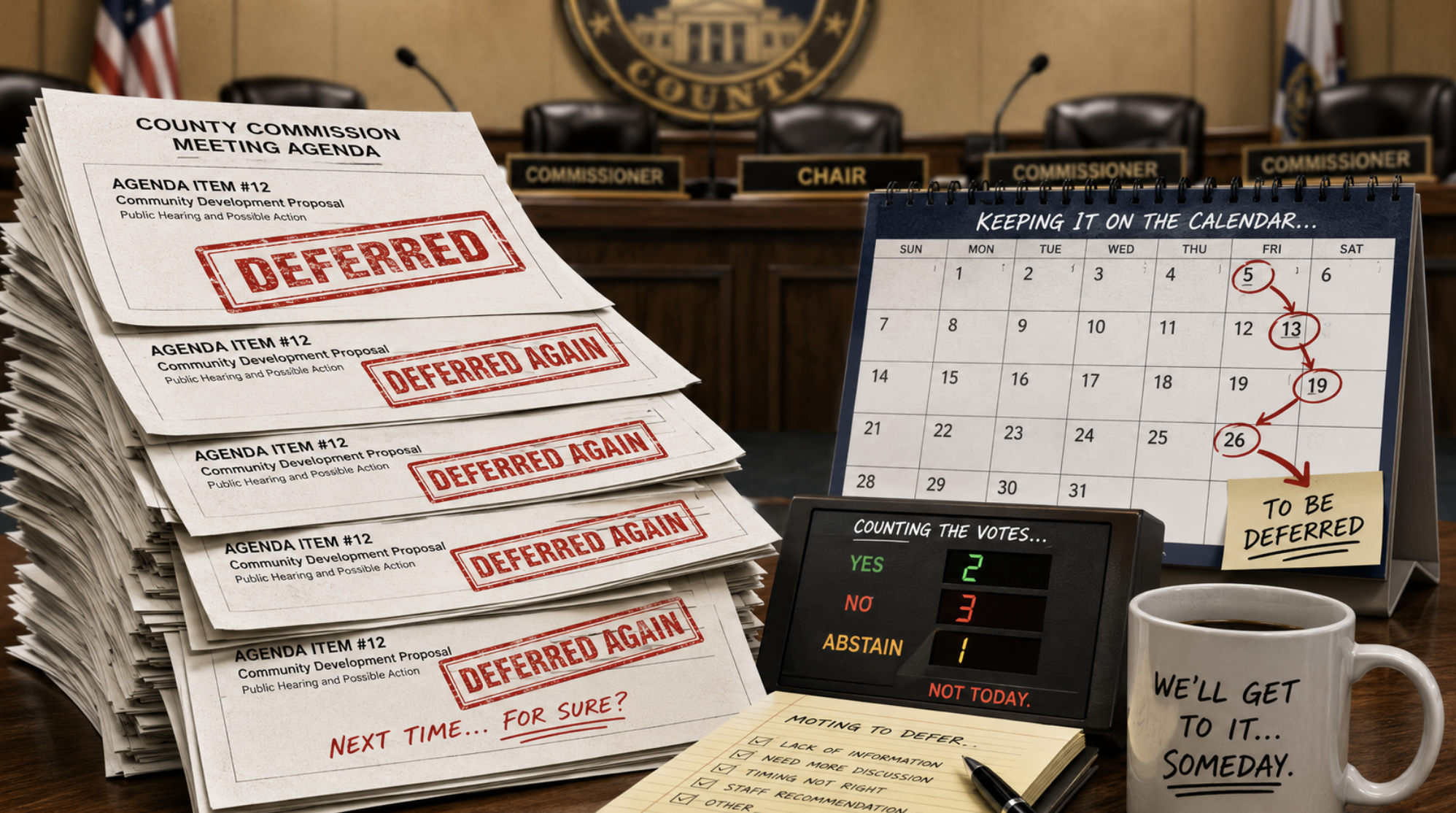
It came back in April. And was deferred.
May. Deferred.
June. Deferred.
July. Deferred again — this time until September.
County legislative records document repeated deferrals on April 23, May 5, June 2 and July 21 alone. Meanwhile, Kelly Tractor kept negotiating.
And counting.
In April, Cohen Higgins, Commissioner Micky Steinberg and Commissioner Vicki Lopez were among those raising objections, while Commissioner Marleine Bastien’s opposition meant supporters appeared short of the nine votes they would need to survive another mayoral veto. Insiders say the delays were to give Kelly additional time to sway a commissioner.
By Tuesday? Voilà. Nine votes.
Bastien was absent. Cohen Higgins, Lopez and Steinberg voted no.
And Levine Cava now says she won’t veto it.
Read related: Daniella Levine Cava vetoes approval of Kelly Tractor complex across UDB
To be fair, the proposal did change.
And significantly enough that both Levine Cava and Commissioner Raquel Regalado, who had switched from originally supporting Kelly to backing the mayor’s veto earlier this year, switched again and said the new version deserves approval because Kelly has agreed to preserve roughly 63 acres of wetlands on its own property and approximately another 20 acres elsewhere, putting about 80 acres into public ownership for  conservation.
Regalado said Tuesday that the environmental covenant requires preservation work to occur before construction and permitting and provides money to maintain and restore the protected acreage in perpetuity.
“It puts roughly 80 acres of wetlands into public ownership,” she said.
Oh, Ladra feels so much better. Don’t you?
Levine Cava also told the Miami Herald that the revamped plan is “substantially different” from the one she vetoed and that its environmental protections are now extensive. That is not nothing.
Kelly also argues that it is a major South Florida employer with very specific industrial needs — giant Caterpillar machinery, generators, maintenance facilities, warehousing and equipment storage — that aren’t easily accommodated on a normal office parcel. Sounding a little like a lobbyist for the company, Miami-Dade Deputy Mayor Roy Coley told commissioners Tuesday that Kelly had demonstrated an economic need for expansion given its international equipment business and its role in emergency response throughout South Florida.
Kelly has also pointed out that development already exists nearby and has argued that other projects outside the UDB have been treated more favorably.
So one wrong decision deserves another? And isn’t the bigger danger of this approval how it creates a roadmap for other developers?
Because Kelly Tractor isn’t asking for a small warehouse. The current county application would allow a campus of up to 2,703,400 square feet on land mostly outside the UDB. County planning documents identify approximately 244 of the 246 acres as being outside the boundary.
Environmental groups say roughly 162 acres of the property are wetlands of regional significance, and Hold the Line has argued that county 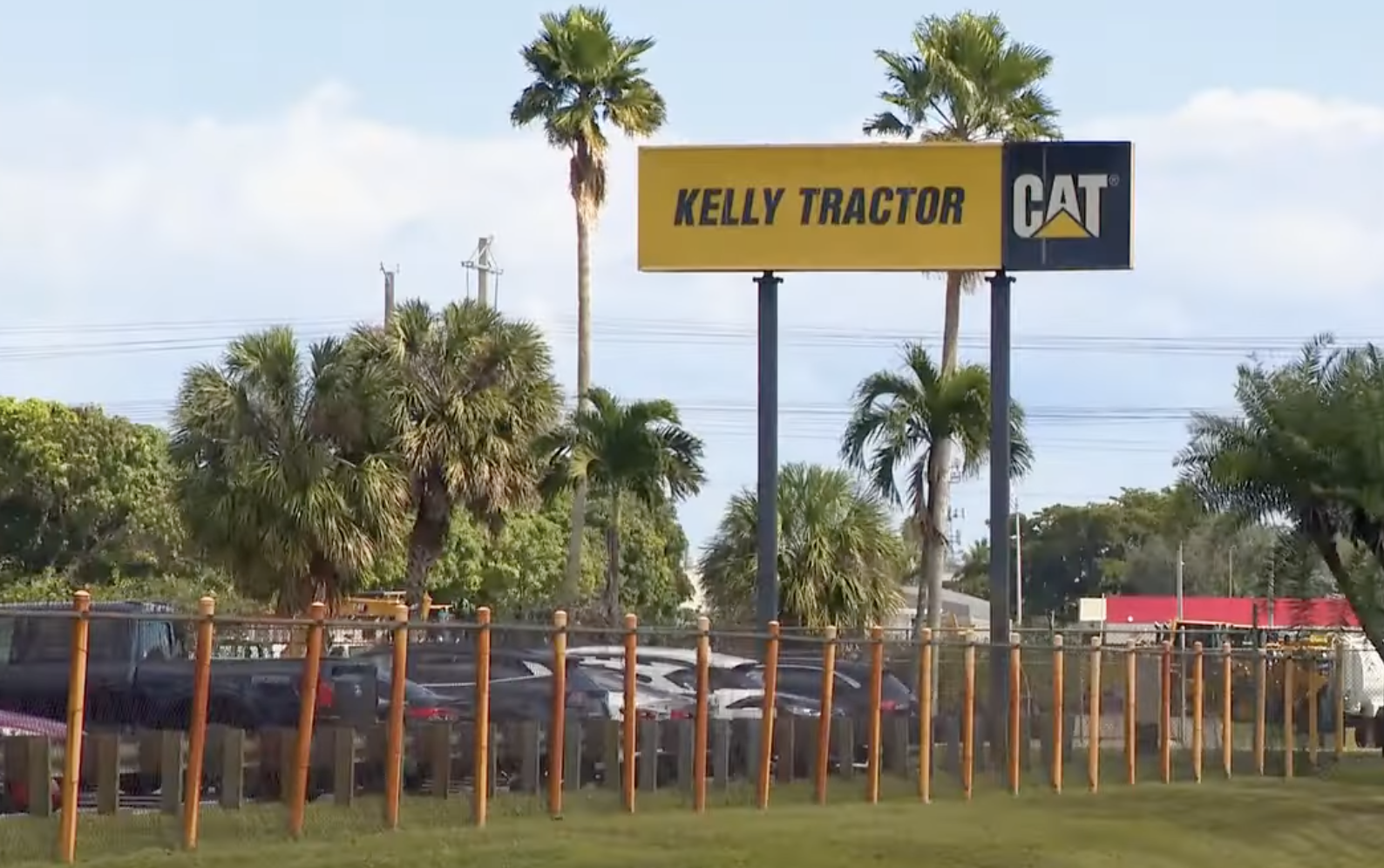 planning staff previously identified hundreds of acres of vacant industrial land inside the UDB that should be considered before opening environmentally sensitive land outside it.
Kelly disputes that those alternatives can accommodate its particular needs. So, prove it. That’s exactly the sort of argument a UDB application is supposed to settle.
Instead, commissioners approved a text amendment.
And here is where it gets really rich.
The commission itself has already decided that this method of getting development outside the UDB needs to be addressed.
In July — while the Kelly application was conveniently deferred yet again — commissioners unanimously adopted a resolution sponsored by Regalado and co-sponsored by René García and Steinberg directing the administration to prepare a change to the comprehensive plan specifically addressing “the use of text amendments that may facilitate urban land uses on property outside the Urban Development Boundary.”
The resolution says future rules should require, at minimum, a demonstration of need, avoidance of sprawl and mitigation of losses to agricultural or environmentally sensitive land.
Read that again: The County Commission has already ordered staff to come up with safeguards because commissioners apparently recognize that text amendments can be used to facilitate urban development outside the UDB. But they went ahead and approved this project anyway.
Read related: On fourth try, Miami-Dade Commission approves huge project beyond the UDB
Because those safeguards aren’t in place yet. And Kelly Tractor got approved under the existing rules.
Qué casualidad.
That doesn’t necessarily mean Kelly Tractor is a bad project. It means Miami-Dade now has to explain why this particular applicant gets through the door just before commissioners start discussing whether that door should be harder to open.
Then there are the wetlands themselves.
The improved conservation package unquestionably saves more environmentally sensitive land than the version Levine Cava vetoed. But Hold the 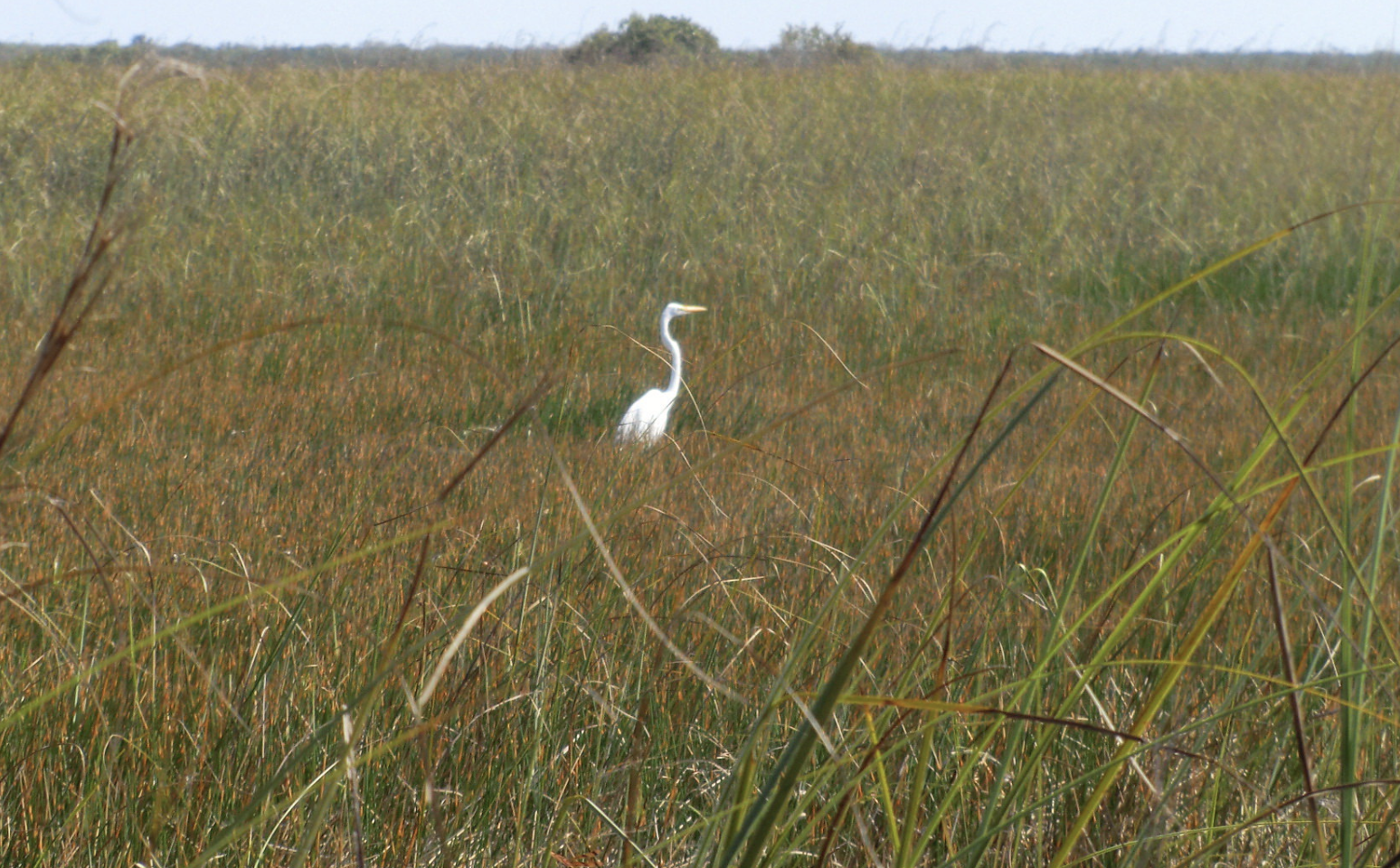 Line and other environmental organizations say Kelly still will be allowed to fill roughly two dozen acres of wetlands.
And that matters because this is not merely vacant dirt in West Dade.
Wetlands store stormwater, reduce flooding, filter groundwater and provide habitat. Earlier county and environmental reviews identified extensive protected wetlands on the property, including land considered regionally significant.
Miami-Dade routinely talks about resilience. Sea-level rise. Biscayne Bay. Flooding. Everglades restoration. Protecting drinking water.
All wonderful PowerPoint presentations.
The test comes when somebody wants to build on the wetlands. And we failed that test Tuesday.
Supporters can fairly point to Kelly’s additional conservation commitments and argue that 80 acres moving permanently into public ownership is a tangible environmental benefit.
Opponents can just as fairly ask whether preserving some wetlands wherever makes paving wetlands here acceptable — particularly when the county is also creating a land-use mechanism that another applicant may cite tomorrow.
Because precedent doesn’t require the next developer to have the Kelly family name.
It only requires an attorney.
That is why Tuesday’s vote should not be treated simply as the end of the Kelly Tractor saga. It may be the beginning of the next UDB fight.
Some future developer now knows that instead of asking Miami-Dade commissioners to move that politically toxic line, there is another strategy: Don’t move the line. Ask them to change what you can do on the other side of it. Bring economic-development promises. Offer mitigation. Improve the proposal. Defer when the votes aren’t there. Come back. Defer again. And keep coming back until they are.
Maybe Miami-Dade got a better Kelly Tractor project because Levine Cava vetoed the first one. There is certainly evidence for that: more wetlands protected, stronger covenants and additional land placed in public ownership.
But whether Miami-Dade got a good deal is only half the question. The other half is what commissioners just taught the next developer.
The UDB still sits exactly where it was Monday. The line didn’t move one inch.
What can be built beyond it?
That’s another story.
This kind of independent, government watchdog reporting is crucial to transparency and democracy. And more so every day. Help shine a light on the darker corners of our community with a contribution to Political Cortadito. Click here. Ladra thanks you for your support.

Miami-Dade commission finally gets votes to approve Kelly Tractor project added by Ladra on
View all posts by Ladra →