
Bring ideas. Just don’t expect to rewrite the budget.
It’s that magical time of year again.
The time when Miami-Dade County packs up the PowerPoint presentation, loads the pie charts into the county SUV and heads out on its annual neighborhood listening tour to ask residents what they’d like to see in next year’s budget.
Because nothing says “public participation” quite like asking people for input after the hard part has already been done. Amirite?
Mayor Daniella Levine Cava announced last week that her annual budget town halls will return throughout August, beginning Wednesday at the Westchester Cultural Arts Center before making stops in North Dade, downtown Miami, South Dade and points in between.
Residents are invited to tell the mayor what matters most to their families and communities as the county prepares next year’s spending plan.
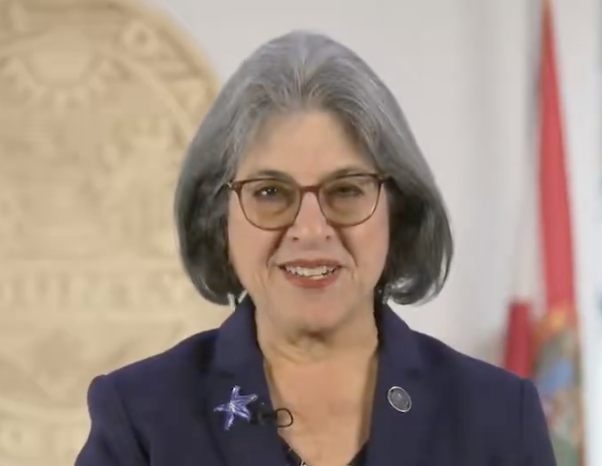 “Our residents’ priorities,” the mayor promises, help shape the budget.
They do. Sort of.
The question is just, well, how much shaping is really left? By August, the cake is already baked.
Let’s be fair. These meetings aren’t meaningless. Sometimes residents do succeed in saving programs that were headed for the chopping block. Commissioners occasionally latch onto ideas they hear from constituents.
Last year, after nonprofits, artists and cultural organizations practically staged a political intervention, the administration backed away from many of the proposed cuts that had sent the arts community into full panic mode.
Read related: Miami-Dade budget restores 100% funds to non-profits = self preservation
So yes. Showing up matters. Sometimes.
But let’s not pretend Wednesday’s meeting is the moment Miami-Dade’s $14-billion-plus budget — Chairman Anthony Rodriguez says it’s more like $17 billion (more on that later) — suddenly springs into existence because somebody from Westchester raises a hand and says, “You know what we really need? More pickleball courts.”
By the time the roadshow begins, county departments have already submitted their requests. The constitutional officers have already made their case. The mayor has already proposed her budget. The spreadsheets have already been sharpened. The budget office has already performed mathematical gymnastics that would make Simone Biles dizzy.
 In other words, the administration has already decided where the pain is.
Now comes the public engagement portion of the program.
This year’s budget isn’t really about spending more. It’s about spending smarter. Or at least that’s the sales pitch.
The mayor’s proposed budget avoids raising the countywide operating property-tax rate for a fourth straight year. There are no proposed transit fare increases. We know how well that went over the last time it was proposed. The dreaded possible local gas-tax increase that had everyone clutching their steering wheels? Gone, too.
The administration also wisely decided not to reopen last year’s ugly fight over nonprofit and cultural funding after getting absolutely walloped by the backlash.
Funny how public participation works when enough people actually show up.
Instead, this budget leans heavily on a favorite government word: Efficiency.
The administration says its WISE305 initiative has generated tens of millions of dollars in efficiencies, eliminated hundreds of vacant positions and helped balance the books without broad service reductions.
Government loves efficiencies. They’re much more pleasant than, say, layoffs.
But the pain didn’t disappear. It just moved.
Read related: Miami-Dade mayor unveils painful budget season 2, transportation cuts
Transit riders are likely to notice. The proposal would eliminate a dozen bus routes while reducing some early morning and late-night service. No fare increase. Just fewer buses. Somebody’s district is losing service. Which means somebody’s commissioner will soon discover a passionate  interest in public transportation.
Funny how that works, too.
The real budget story isn’t even what’s happening this year. It’s what’s coming next year. Actually, it’s the year after that.
Hovering over the entire discussion is the possibility of sweeping state property-tax changes that the mayor says could eventually cost Miami-Dade hundreds of millions of dollars. That’s the fiscal asteroid hanging over every budget conversation.
The administration is essentially saying: “We got through this year.” Ask us again about next year.
So, can residents actually change anything? Yes. Just not everything.
The budget commissioners approve by Sept. 30 will almost certainly look different from the one the mayor proposed.
Projects will appear. Projects will disappear. Someone’s favorite nonprofit will survive. Somebody else’s pet project won’t. Commissioners will horse-trade. Neighborhood priorities will magically become county priorities. District battles may happen.
But if you’re hoping to convince the county Wednesday night to completely rewrite the spending plan, well, you have better luck getting a table at Versailles during a presidential election.
Still, go. Seriously. Go.
Show up. Speak. Ask questions. Make them explain things. Ask why your neighborhood lost a bus route. Ask why another one didn’t.
Ask where those “efficiencies” came from.
Ask what programs are still on the chopping block.
Ask how the county plans to deal with the fiscal cliff everybody keeps warning us about.
Because while the budget may be mostly written, politicians still pay attention when enough voters are standing in the same room.
Especially in an election year.
Read related: Miami-Dade Mayor Daniella Levine Cava will have two budget ‘town halls’
These meetings follow two “Conversations with Cava” about the county budget in July — one at the Dennis C. Moss Cultural Arts Center in Cutler Bay and another at the North Dade Regional Library in Miami Gardens, which was available on Zoom. Ladra isn’t sure what is new from then to the meetings that start this week.
All town halls are from 6 p.m. to 8 p.m. on:
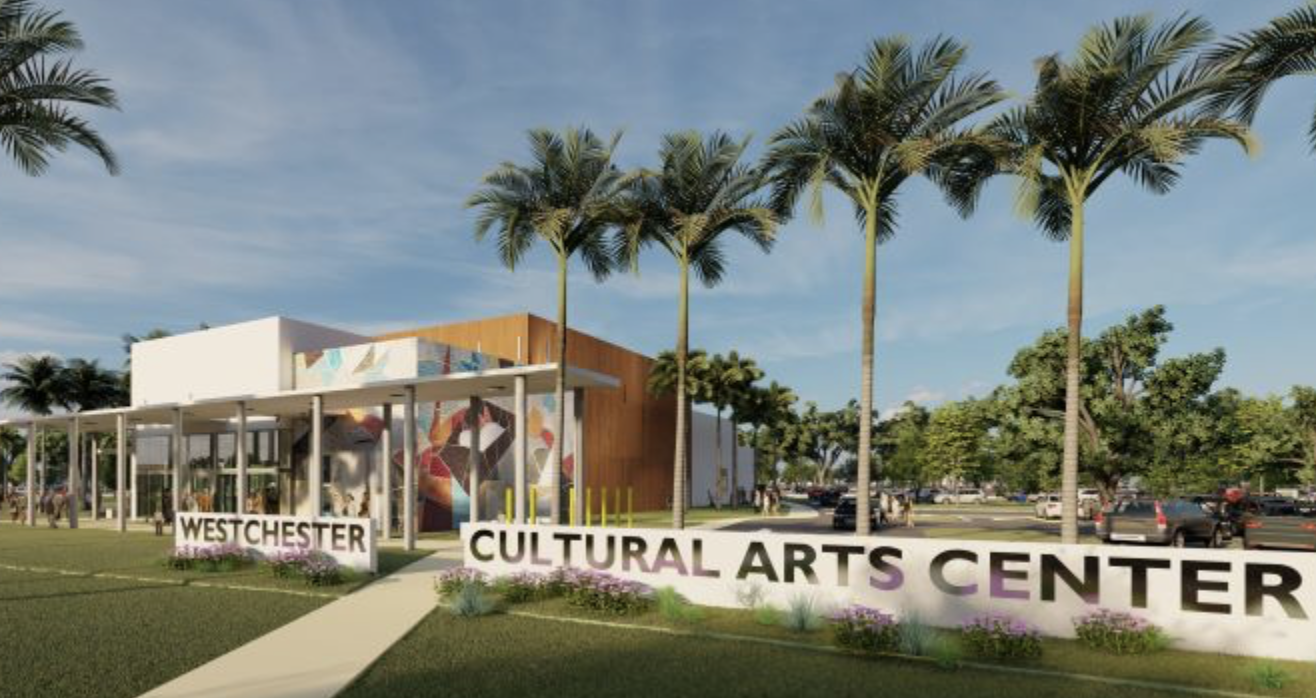
 Wednesday, Aug. 5 – Westchester Cultural Arts Center (photo, right)
- Thursday, Aug. 6 – Oak Grove Park/Father Gerard Jean-Juste Community Center
- Friday, Aug. 7 – Miami-Dade Main Public Library
- Monday, Aug. 10 – Arcola Lakes Senior Center
- Wednesday, Aug. 19 – North Dade Regional Library
- Monday, Aug. 31 – Dennis Moss C. Cultural Arts Center
La Alcaldesa says registration isn’t required, but is “encouraged.” Maybe it’s just to help estimate attendance. Maybe it’s for logistics.mMaybe it’s so they know how much coffee to order.
Or maybe it’s because government agencies have never met a mailing list they didn’t like.
Ladra isn’t saying don’t register.
Ladra is just saying don’t be surprised if you start hearing from Miami-Dade a little more often afterward.
So, yes, budget season has officially begun.
The PowerPoint is polished. The charts are color-coded. The microphones are ready.
Now comes the part where government asks what you think after spending months deciding what it thinks.
Bring your questions. But the county already has its answers.
This kind of independent, government watchdog reporting is crucial to transparency and democracy. And more so every day. Help shine a light on the darker corners of our community with a contribution to Political Cortadito. Click here. Ladra thanks you for your support.

Miami-Dade budget town halls back for the annual going through the motions added by Ladra on
View all posts by Ladra →